Author Correction: APOE's Role in Heterochromatin Destabilization and Senescence

Edited by Vita Solenne
Research & Biotech · Updated September 29, 2026
A recent author correction published in Nature Aging clarifies findings regarding the role of apolipoprotein E (APOE) in destabilizing heterochromatin, which is linked to cellular senescence. The correction emphasizes the importance of APOE in the aging process and its potential implications for age-related diseases. This research highlights the complex mechanisms of aging and the potential for targeting these pathways in longevity research.
Share this story
Why it matters
- ✓Understanding the role of APOE in cellular senescence may lead to new strategies for delaying aging and improving healthspan.
- ✓Insights into heterochromatin destabilization could inform interventions aimed at maintaining genomic stability, which is crucial for longevity.
- ✓This research underscores the interconnectedness of genetic factors and cellular aging, providing a foundation for future studies in health optimization.
Author Correction: APOE's Role in Heterochromatin Destabilization and Senescence
Introduction
In a recent publication in Nature Aging, an author correction has been issued regarding the role of apolipoprotein E (APOE) in the destabilization of heterochromatin and its subsequent effects on cellular senescence. This correction sheds light on the intricate relationship between genetic factors and the aging process, emphasizing the importance of APOE in understanding age-related diseases and longevity.
Understanding APOE and Heterochromatin
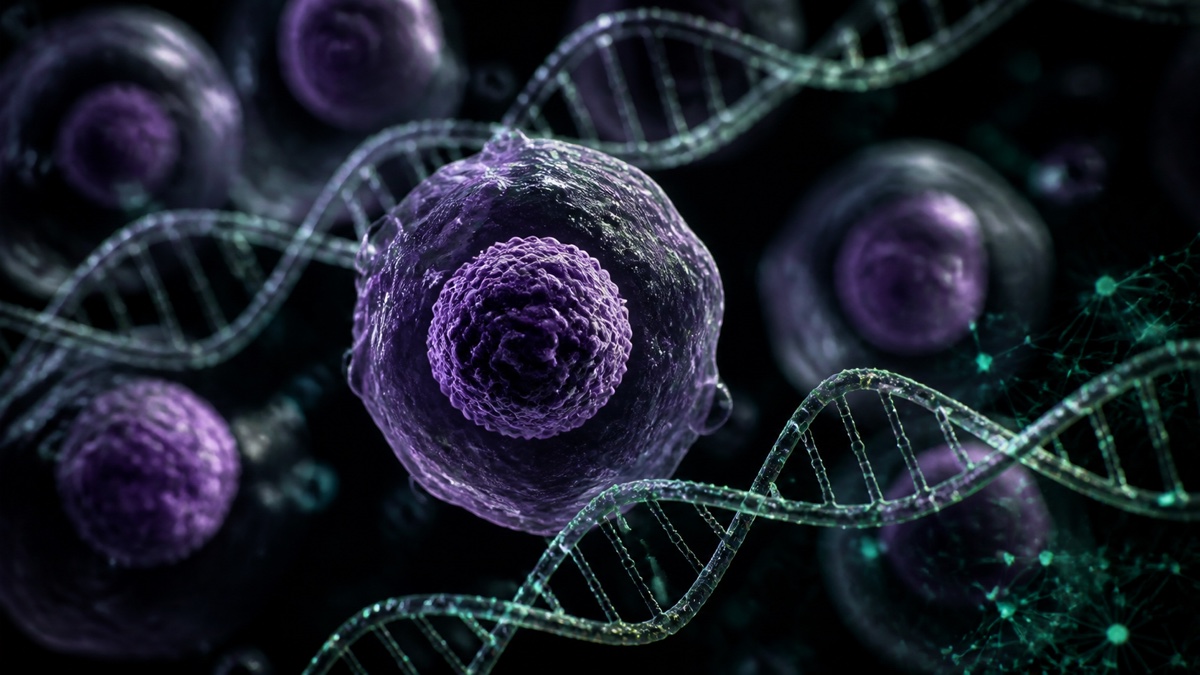
APOE is a protein involved in lipid metabolism and is known for its association with Alzheimer’s disease and cardiovascular health. However, its role extends beyond these conditions; recent studies have indicated that APOE also plays a significant part in cellular aging. Heterochromatin, a tightly packed form of DNA, is crucial for maintaining genomic stability. When heterochromatin becomes destabilized, it can lead to cellular senescence, a state where cells lose their ability to divide and function properly.
Key Findings of the Correction
The author correction clarifies previous findings that linked APOE to the destabilization of heterochromatin. This destabilization is a critical factor in the onset of cellular senescence. The correction underscores the need for accurate interpretation of APOE's role in these processes, as it can influence our understanding of aging and its associated diseases.
Implications for Longevity Research
The implications of this research are significant for those interested in longevity and health optimization. By understanding how APOE affects heterochromatin stability and cellular senescence, researchers can explore potential interventions that target these pathways. This could lead to new strategies for delaying the aging process and improving overall healthspan.
Targeting Genomic Stability
Maintaining genomic stability is crucial for longevity. As cells age, the integrity of their DNA can be compromised, leading to various age-related diseases. Insights from this research may inform future studies aimed at developing therapies that enhance genomic stability, potentially delaying the onset of age-related conditions.
Genetic Factors in Aging
This research highlights the interconnectedness of genetic factors and cellular aging. By focusing on specific proteins like APOE, researchers can better understand the biological mechanisms that contribute to aging. This knowledge can guide the development of personalized health optimization strategies that take individual genetic profiles into account.
Conclusion
The author correction in Nature Aging regarding APOE's role in heterochromatin destabilization and senescence is a vital contribution to the field of longevity research. As we continue to unravel the complexities of aging, understanding the genetic underpinnings of cellular senescence will be crucial for developing effective interventions. For health optimizers and biohackers, this research opens new avenues for exploring how to enhance healthspan and longevity through targeted strategies.
By staying informed about these developments, individuals can better navigate the landscape of longevity research and apply findings to their health optimization efforts.
Sources
Newsletter
Your weekly longevity signal. No spam.
Comments
Log in with
Loading comments…
More in Research
Renue by Science Launches Home-Based Health Research Community
Renue by Science has introduced the Renue Research Community, enabling consumers to participate in…
Just now

Advancements in Cancer Science: Prevention, Detection, and Treatment Insights from Siddhartha Mukherjee
In a recent discussion, Dr. Siddhartha Mukherjee highlighted the evolving understanding of cancer,…
6h ago

Age-Related Decline in Chapero
The latest Fight Aging! newsletter discusses the age-related decline observed in the Chapero, a…
23h ago
Exploring the Link Between Socioeconomic Status and Life Expectancy
A recent analysis investigates the correlation between socioeconomic status (SES) and life…
2d ago