🔬

Research

Scientific studies, papers, clinical trials, and longevity breakthroughs.

Research1h ago

Advancements in Cancer Science: Prevention, Detection, and Treatment Insights from Siddhartha Mukherjee

In a recent discussion, Dr. Siddhartha Mukherjee highlighted the evolving understanding of cancer, emphasizing the metabolic differences between cancerous and normal cells. He pointed out that advancements in second and third-line therapies for specific cancers could significantly extend patient lifespans. This evolving science underscores the importance of early detection and innovative treatment approaches in the fight against cancer.


Research19h ago

Age-Related Decline in Chapero

The latest Fight Aging! newsletter discusses the age-related decline observed in the Chapero, a biological mechanism linked to aging. This decline is significant as it highlights the need for further research into the mechanisms of aging and their implications for age-related diseases. Understanding these mechanisms can lead to potential interventions that may improve longevity and healthspan.

Research2d ago

Exploring the Link Between Socioeconomic Status and Life Expectancy

A recent analysis investigates the correlation between socioeconomic status (SES) and life expectancy, focusing on the role of lifestyle choices. While SES is known to influence longevity through factors like wealth and education, establishing direct causation remains complex. The study employs mediation analysis to better understand these relationships, although definitive proof is still elusive.

Research2d ago

Blocking STING Helps Preserve Bone in Aging Mice

A recent study has identified a link between STING-mediated signals from marrow fat cells and inflammation, which contributes to the decline of NAD⁺ levels in bone-forming cells. By interrupting this signaling pathway, researchers were able to preserve bone health in aging mice. This discovery may have implications for developing strategies to combat age-related bone loss in humans.

Research2d ago

Prenuvo Opens Access to 200,000 MRI Scans for Research

Prenuvo, a company specializing in whole-body scans, has announced the launch of a research network that will provide access to over 200,000 MRI scans from more than 78,000 individuals. Preliminary findings indicate that 7% of participants exhibited clinically significant brain abnormalities, raising important questions about preventive health measures and the implications of early detection.

Research2d ago

Immune Aging Linked to Osteoporosis and Osteoarthritis

Recent research highlights immune aging as a significant underlying factor contributing to osteoporosis and osteoarthritis. The aging immune system exacerbates degenerative conditions in bone and joint tissues, complicating the traditional understanding of these ailments. This interconnectedness suggests that addressing immune aging may be crucial for improving bone and joint health in the elderly.

Research3d ago

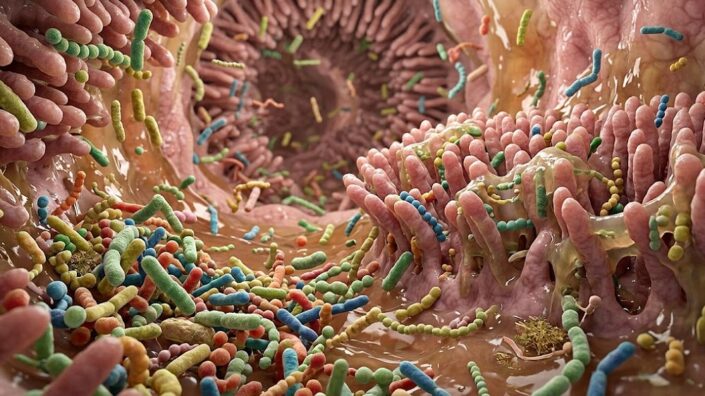
The Role of Gut Microbiome and Exercise in Muscle Aging and Frailty

Recent studies indicate that the gut microbiome significantly influences long-term health and the aging process, particularly in relation to muscle health and frailty. As we age, harmful microbial populations can increase while beneficial ones decline, leading to chronic inflammation and decreased tissue function. Interventions like fecal microbiota transplantation from young donors have shown promise in rejuvenating gut health and improving longevity in aged animals.

Research3d ago

Understanding SIRT1 and NAD+ Therapies in Aging

Recent research has highlighted the role of SIRT1 functional reserve in aging, indicating that its depletion may lead to age-related disorders at the cellular level. This understanding could pave the way for more effective SIRT1 and NAD+ therapies aimed at promoting longevity and health optimization. The findings emphasize the importance of maintaining SIRT1 levels to potentially mitigate the effects of aging.

Research3d ago

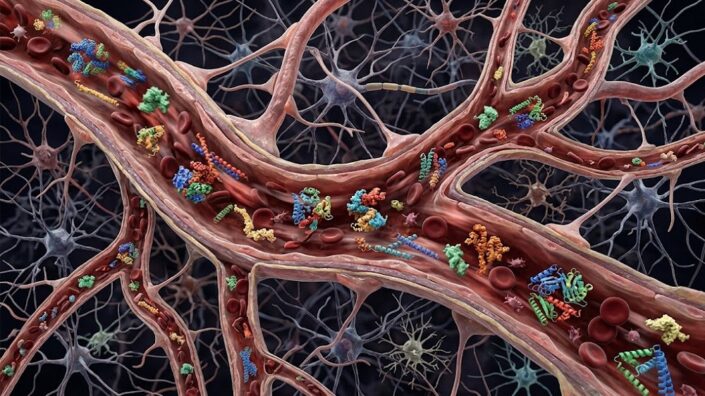
Study Reveals Blood Protein Variability in Alzheimer’s Drug Response

A recent study published in The Lancet Neurology examined 130 blood proteins in patients treated with lecanemab, an anti-amyloid drug for early Alzheimer’s disease. The findings indicate that the effectiveness of the drug varies among individuals, highlighting differences in amyloid clearance and cognitive response. This research could help tailor treatments for Alzheimer’s patients and improve outcomes.

Research3d ago

Exploring Transposable Element Activity Suppression for Therapeutic Approaches

Transposable elements (TEs) are DNA sequences that can replicate themselves and are linked to chronic inflammation and DNA damage as we age. With age, the suppression of these elements diminishes, leading to their activation and subsequent harmful effects on gene integrity and immune response. Research into suppressing TE activity may offer new therapeutic avenues for mitigating age-related diseases and promoting longevity.

Research3d ago

Rapalogix Health Publishes Clinical Study on Re-Q Longevity Serum

Rapalogix Health has published a peer-reviewed clinical study on RLX-201, the active ingredient in its Re-Q Longevity Face Serum. The study, which was randomized, double-blind, and vehicle-controlled, involved 47 women aged 35 and older and was conducted over 12 weeks at Dermatology Consulting Services in North Carolina. The findings were published in the Journal of Cosmetic Dermatology, contributing to the growing body of research on longevity-focused skincare products.

Research3d ago

Rhode Island Life Science Hub and Cognito Launch Brain Health Collaboratory

On October 13, 2026, the Rhode Island Life Science Hub and Cognito Therapeutics announced the establishment of the Rhode Island Brain Health Collaboratory in Providence, R.I. This initiative aims to create a statewide platform dedicated to brain health research, innovation, and care, marking the third Collaboratory in Cognito's national network.

Research4d ago

Understanding Vascular Aging and Its Impact on Longevity

Vascular aging is a significant contributor to human mortality, leading to conditions such as atherosclerosis, heart attacks, and strokes. As we age, our vascular system deteriorates, resulting in leaky blood vessels, reduced capillary density, and impaired smooth muscle function. These changes have profound implications for health optimization and longevity.

Research4d ago

Role of Senescent-like Activated Naive B Cells in Rheumatoid Arthritis Progression

Recent research published in Nature Aging highlights the role of senescent-like activated naive B cells in the progression of clinical rheumatoid arthritis (RA). These cells, which exhibit characteristics of cellular senescence, may contribute to the inflammatory processes associated with RA. Understanding their role could lead to new therapeutic strategies for managing this autoimmune condition.

Research4d ago

SRSF1 Identified as a Key Regulator of Aging Through Transcriptomic Reprogramming

A recent study published in Nature Aging has identified SRSF1, a splicing factor, as a significant regulator of aging through a transcriptomic reprogramming screen. This discovery highlights the potential role of SRSF1 in influencing cellular aging processes and opens new avenues for research into longevity and health optimization strategies.

Research4d ago

Suppressing PLA2G7 in Neural Stem Cells Enhances Cognitive Function in Aging Mice

Recent research published in Nature Aging reveals that inhibiting the enzyme PLA2G7 in neural stem cells can restore the function of inhibitory circuits in the brain, leading to improved cognitive abilities in aging mice. This study highlights the potential for targeting specific molecular pathways to combat cognitive decline associated with aging.

Research4d ago

Menopausal Serum Protein Changes Linked to Brain Health

A recent study has identified 16 serum proteins that change during menopause, which are associated with inflammatory, synaptic, metabolic, and Alzheimer's disease processes. These protein level changes may serve as indicators of cognitive health during the menopausal transition. Understanding these changes could help in developing strategies for maintaining brain health in aging women.

Research4d ago

Inhibition of miR-128-3p Enhances Muscle Mass and Function in Aged Mice

Recent research has shown that inhibiting the microRNA miR-128-3p can improve muscle mass and function in aged mice. This study, developed by Elenae Therapeutics, highlights a potential new avenue for addressing age-related muscle loss, which is a significant factor contributing to frailty in older adults. The findings may pave the way for new treatments aimed at enhancing muscle health in aging populations.

Research5d ago

Differences in Gut Microbiome Composition Across Age Groups: Implications for Longevity

A recent review highlights significant changes in gut microbiome composition as individuals age, with a noted increase in microbes that contribute to inflammation and tissue dysfunction. These shifts begin as early as the mid-30s, raising concerns about their impact on health and longevity. The study underscores the complexity of aging and the need for further research to understand the mechanisms behind these microbiome changes.

Research5d ago

Second Century Foundation Launches to Advocate for Longevity Research

The Second Century Foundation has been established as a 501(c)(3) private operating foundation dedicated to advancing research and development in longevity. This initiative aims to address the significant humanitarian and financial costs associated with aging by advocating for increased funding and support for longevity research. The foundation's mission is rooted in the vision of a future where aging is treated as a medical condition, potentially alleviating suffering and extending healthy lifespans.

Research5d ago

The Evolution of Cellular Senescence Research

Research into cellular senescence has evolved from early observations of finite cell replication to a critical area of study in aging and cancer. Initially focused on replicative senescence in cell cultures, the field has expanded to explore the role of senescent cells in age-related degeneration. This has led to the emergence of biotech companies developing therapies targeting senescent cells.

Research6d ago

Age-Related Decline in Chaperone-Mediated Autophagy Impairs Clearance of Senescence Cells

Recent findings highlight that the decline in chaperone-mediated autophagy with age significantly hampers the immune system's ability to clear senescent cells. These cells, which accumulate over time, contribute to inflammation and age-related diseases. Understanding this mechanism may offer insights into potential interventions for promoting longevity and health optimization.

Research6d ago

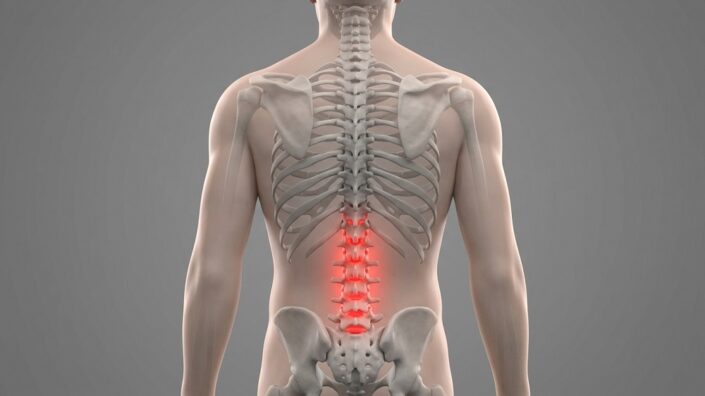
Anti-Senescence Gene ZNF865 Linked to Spinal Disc Health

A recent study published in Aging Cell has identified the gene ZNF865 as a key regulator of cellular senescence, which may play a significant role in the development of lower back pain. The research suggests that targeting this gene could offer new avenues for treating spinal disc deterioration, a common issue that affects many individuals as they age.

Research6d ago

Study Links Brain DNA Methylation and APOE Genotype to Alzheimer's Neuropathology

A recent study published in Nature Aging examines the relationship between brain DNA methylation, APOE genotype, and Alzheimer’s disease neuropathology using a large postmortem cohort. The findings suggest that specific patterns of DNA methylation are associated with the presence of Alzheimer's pathology and may be influenced by genetic factors such as the APOE genotype. This research could provide insights into potential biomarkers for Alzheimer's disease and inform future therapeutic strategies.

Research6d ago

Functional Connectivity Changes in Alzheimer's Disease Patients Differ from Normal Aging

Recent research has shown that functional connectivity changes in the brains of Alzheimer's disease patients are distinct from those observed in normal aging. Functional connectivity, which reflects neuronal activity across different brain regions, is assessed through MRI scans. This distinction raises important questions about whether these changes are indicative of dysfunction or adaptive responses to neurodegenerative processes.

Research6d ago

Transcriptomic Approaches in the Search for Geroprotective Compounds

Researchers are exploring the use of transcriptomic data to refine drug screening processes aimed at discovering compounds that could slow aging. While this approach has potential, current findings suggest that it may not yield significant breakthroughs in geroprotective compounds. The implications for longevity research remain cautious as the field continues to evolve.

ResearchOct 11

Fat Infiltration into Muscle: Insights from Fight Aging! Newsletter, October 12th 2026

The latest Fight Aging! newsletter discusses the implications of fat infiltration into muscle tissue, a phenomenon that can negatively impact muscle function and overall health. Understanding this process is crucial for those interested in longevity and health optimization, as it relates to age-related muscle decline. The newsletter emphasizes the need for further research in this area to develop effective interventions.

ResearchOct 10

Evaluating the Efficacy of Symptomatic Treatments for Alzheimer's Disease

Cholinesterase inhibitors have been the cornerstone of symptomatic treatment for Alzheimer's disease for many years. This article explores how effective these medications are in preserving cognitive function and what that means for patients living with the disease.

ResearchOct 9

Gut Bacteria Molecule Found to Slow Atherosclerosis in Mice

A recent study has identified a fatty acid produced by specific gut bacteria that acts similarly to statins, potentially providing a new approach to treating atherosclerosis. This discovery underscores the complex relationship between gut microbiota and cardiovascular health, suggesting that manipulating gut bacteria could be a viable strategy for preventing heart disease.

ResearchOct 9

EU Longevity Strategy Gains Political Momentum

On October 1, the European Parliament hosted a conference focused on geroscience, preventive healthcare, and healthy aging research, signaling a growing political commitment to longevity initiatives. This event brought together researchers, Commission officials, and longevity advocates to discuss coordinated actions in these fields. The increasing attention to the biology of aging within political circles marks a significant shift in health policy priorities in Europe.

ResearchOct 9

Naive T Cell Decline Limits Cancer Immunity in Middle-Aged Male Mice

A recent study published in Nature Aging reveals that the decline of naive T cells in middle-aged male mice significantly impairs their ability to combat cancer. This research highlights the potential link between immune system aging and increased cancer susceptibility, suggesting that maintaining naive T cell populations could be crucial for enhancing cancer immunity as organisms age.

ResearchOct 9

Study Links Lymph Node Contraction to CD8+ T Cell Decline in Middle Age

A recent study published in Nature Aging reveals that lymph node contraction is associated with a decline in naive CD8+ T cells, particularly in middle-aged individuals. This decline may lead to compromised antigen recognition, which is crucial for an effective immune response. The findings highlight potential sex biases in immune aging, suggesting that men and women may experience different immune challenges as they age.

ResearchOct 9

IGFBP5 Overexpression Enhances Dental Follicle Stem Cell Function in Periodontitis Treatment

Recent research highlights the role of Insulin-like Growth Factor Binding Protein 5 (IGFBP5) in reducing cellular senescence in dental follicle stem cells, which are critical for regenerative therapies in periodontitis. By increasing IGFBP5 expression, researchers found a way to slow down the senescence of these stem cells, potentially improving their efficacy in periodontal regeneration. This advancement could lead to more effective treatments for gum disease, particularly in aging populations.

ResearchOct 9

Study Reveals Higher Somatic Mutation Burden in Cancer Patients Compared to Healthy Individuals

Recent research highlights that normal cells in cancer patients carry a greater burden of somatic mutations than those in healthy individuals. This finding suggests that the accumulation of random mutational damage, especially in stem cells, may increase the likelihood of developing cancer. Understanding these differences is crucial for health optimizers and longevity enthusiasts as they explore the mechanisms behind aging and cancer risk.

ResearchOct 9

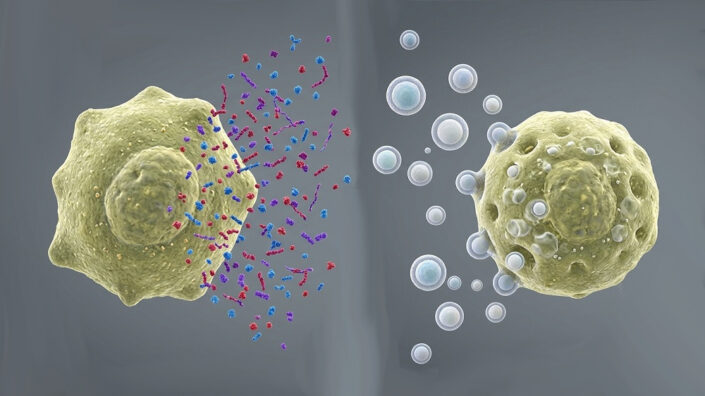
Differences in Senescent Cellular Signaling Explored

Recent research published in Aging has highlighted the distinct differences in the signaling secretions of senescent cells. These differences arise from cells that have become senescent due to cancer-related genes compared to those that have ceased proliferation for other reasons. Understanding these variations may provide insights into cellular aging and its implications for health optimization.

ResearchOct 9

Succinate Dehydrogenase's Role in Heart Regeneration

Recent insights into succinate dehydrogenase (SDH) reveal its significant role in regulating the heart's regenerative capacity. Unlike other organs, the heart has limited ability to heal after injury, such as from a heart attack, often resulting in fibrosis. Understanding SDH's function could open new avenues for enhancing cardiac repair and longevity.

ResearchOct 8

Correction on RAB-10 Efficacy and Intestinal Barrier Integrity

A recent author correction published in Nature Aging addresses the age-associated decline in RAB-10 efficacy, which has been shown to impair intestinal barrier integrity. This correction highlights the importance of RAB-10 in maintaining gut health, particularly as individuals age. Understanding these mechanisms is crucial for developing strategies to enhance longevity and health optimization.

ResearchOct 8

Tazbentetol Shows Protective Effects on Eye Cells in Diabetic Mice

A recent preclinical study published in Experimental Eye Research has shown that Tazbentetol can protect retinal ganglion cells in diabetic db/db mice. Over an eight-week period, the treatment resulted in improved cell function and survival, reduced markers of cell death, and enhanced optic nerve myelination. These findings suggest potential therapeutic benefits for eye health in diabetic conditions.

ResearchOct 8

Study Reveals Role of Secondary Follicle Development in Female Fertility in Mice

Recent research published in Nature Aging highlights the significance of heterogeneity in secondary follicle development in mice. This study demonstrates that variations in the development of these follicles can extend the lifespan of activated oocytes, thereby optimizing female fertility. The findings may provide insights into reproductive health and longevity in mammals.

ResearchOct 8

New Aging Clock Utilizes Speech Analysis for Biological Insights

Researchers have developed an aging clock based on speech analysis data, leveraging machine learning techniques to identify patterns that correlate with biological age and health outcomes. This innovative approach aims to enhance the understanding of aging processes and potentially accelerate the development of rejuvenation therapies. However, the practical application and reliability of these aging clocks remain to be fully established.

Newsletter

Your weekly longevity signal. No spam.