Differences in Senescent Cellular Signaling Explored

Edited by Vita Solenne
Research & Biotech · Updated October 9, 2026
Recent research published in Aging has highlighted the distinct differences in the signaling secretions of senescent cells. These differences arise from cells that have become senescent due to cancer-related genes compared to those that have ceased proliferation for other reasons. Understanding these variations may provide insights into cellular aging and its implications for health optimization.
Share this story
Why it matters
- ✓Identifying the signaling pathways of senescent cells can lead to targeted therapies that mitigate their negative effects on tissue function and overall health.
- ✓Insights from this research may help in developing strategies to delay the onset of age-related diseases by managing cellular senescence.
- ✓For biohackers and health optimizers, understanding the mechanisms of senescence can inform lifestyle choices and interventions that promote longevity.
Untangling Differences in Senescent Cellular Signaling
Introduction
Cellular senescence is a state where cells cease to divide and enter a permanent growth arrest. This phenomenon can be triggered by various factors, including stress, DNA damage, and oncogenic signaling. Recent research published in the journal Aging has shed light on the differences in secretions from senescent cells, particularly those driven by cancer genes versus those that stop proliferating for other reasons. Understanding these differences is crucial for developing strategies to combat age-related diseases and promote longevity.
What Are Senescent Cells?
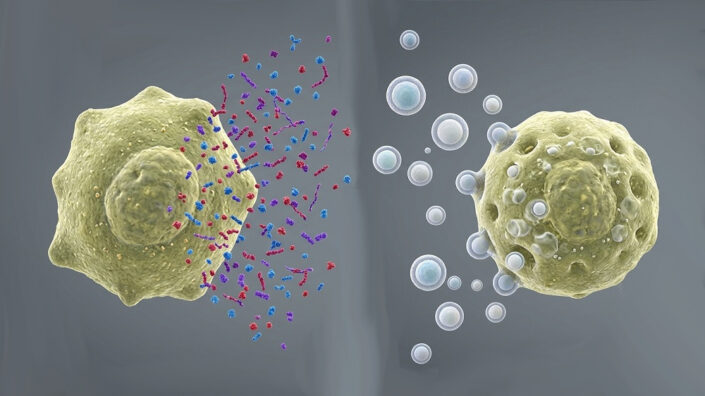
Senescent cells are often referred to as 'zombie cells' due to their inability to proliferate while still remaining metabolically active. They can secrete a variety of factors, including pro-inflammatory cytokines, growth factors, and proteases, collectively known as the senescence-associated secretory phenotype (SASP). While the SASP can have beneficial effects in wound healing and tissue repair, an accumulation of senescent cells can lead to chronic inflammation and tissue dysfunction, contributing to aging and age-related diseases.
Key Findings from the Research
The study published in Aging highlights that senescent cells induced by cancer genes exhibit distinct signaling profiles compared to those that have entered senescence through other mechanisms. This distinction is important because it suggests that the origin of senescence can influence the biological behavior of these cells and their impact on surrounding tissues.
Differences in Secretions
-
Cancer Gene-Induced Senescence: Cells that become senescent due to oncogenic stress often have a unique set of secretions that may promote tumorigenesis and inflammation. These secretions can create a microenvironment that supports cancer progression, making it crucial to understand their signaling pathways.
-
Non-Cancer Related Senescence: In contrast, cells that stop proliferating due to other stressors may have a different SASP profile that could be less harmful and more beneficial for tissue repair. This difference in secretory profiles can influence how these cells interact with their environment and the overall health of the organism.
Implications for Longevity and Health Optimization
Understanding the differences in senescent cellular signaling is particularly relevant for those pursuing longevity and health optimization. Here are several implications of this research:
-
Targeted Therapies: By identifying the specific signaling pathways involved in the SASP of cancer-related senescent cells, researchers can develop targeted therapies aimed at mitigating the harmful effects of these cells. This could lead to new treatments for age-related diseases and improve overall health outcomes.
-
Preventive Strategies: Knowledge of how different types of senescent cells behave can inform preventive strategies. For instance, interventions that reduce the accumulation of harmful senescent cells may help delay the onset of age-related diseases.
-
Lifestyle Interventions: For biohackers and health optimizers, understanding the mechanisms of cellular senescence can guide lifestyle choices. Factors such as diet, exercise, and stress management may influence cellular health and longevity by modulating the senescence process.
Conclusion
The research on senescent cellular signaling underscores the complexity of cellular aging and its implications for health. By unraveling the differences in secretions from senescent cells, particularly those driven by cancer genes, scientists can pave the way for innovative approaches to enhance longevity and improve health outcomes. As the field of longevity research continues to evolve, staying informed about these developments will be essential for anyone interested in optimizing their health and lifespan.
Sources
- Untangling Differences in Senescent Cellular Signaling — Lifespan.io
Newsletter
Your weekly longevity signal. No spam.
Comments
Log in with
Loading comments…
More in Research

Advancements in Cancer Science: Prevention, Detection, and Treatment Insights from Siddhartha Mukherjee
In a recent discussion, Dr. Siddhartha Mukherjee highlighted the evolving understanding of cancer,…
1h ago

Age-Related Decline in Chapero
The latest Fight Aging! newsletter discusses the age-related decline observed in the Chapero, a…
19h ago
Exploring the Link Between Socioeconomic Status and Life Expectancy
A recent analysis investigates the correlation between socioeconomic status (SES) and life…
2d ago

Blocking STING Helps Preserve Bone in Aging Mice
A recent study has identified a link between STING-mediated signals from marrow fat cells and…
2d ago