Exploring Key Factors for Healthy Aging Beyond Protein

Edited by Mira Quellan
Nutrition & Mindset · Updated September 3, 2026
Recent discussions around healthy aging often focus heavily on protein intake, but experts emphasize that a holistic approach is essential. Factors such as physical movement, dietary diversity, and lifestyle habits play a crucial role in promoting longevity. Understanding these elements can help individuals optimize their health as they age.
Share this story
Why it matters
- ✓Focusing solely on protein may overlook other vital aspects of health that contribute to longevity.
- ✓Incorporating diverse dietary and lifestyle habits can enhance overall well-being and resilience against age-related decline.
- ✓Awareness of a broader range of health factors allows individuals to make more informed choices in their longevity journey.
Beyond Protein: What Really Matters for Healthy Aging
As the conversation around nutrition evolves, protein has emerged as a focal point in discussions about healthy aging. However, experts are urging a more comprehensive perspective that goes beyond mere protein consumption. This article explores the multifaceted approach necessary for promoting longevity and maintaining health as we age.
The Protein Obsession
In recent years, protein has become a buzzword in health circles, often touted as the cornerstone of a healthy diet. With the rise of protein bars, shakes, and supplements, many individuals are fixated on their daily protein intake, believing it to be the key to longevity. While protein is indeed an important nutrient for muscle maintenance and overall health, experts caution against reducing healthy aging to a single dietary component.
A Holistic Approach to Healthy Aging
Movement Matters
Physical activity is a critical component of healthy aging. Regular movement not only helps maintain muscle mass but also supports cardiovascular health, mental well-being, and metabolic function. Engaging in a variety of physical activities—such as strength training, aerobic exercises, and flexibility workouts—can enhance functional capacity and reduce the risk of chronic diseases.
Dietary Diversity
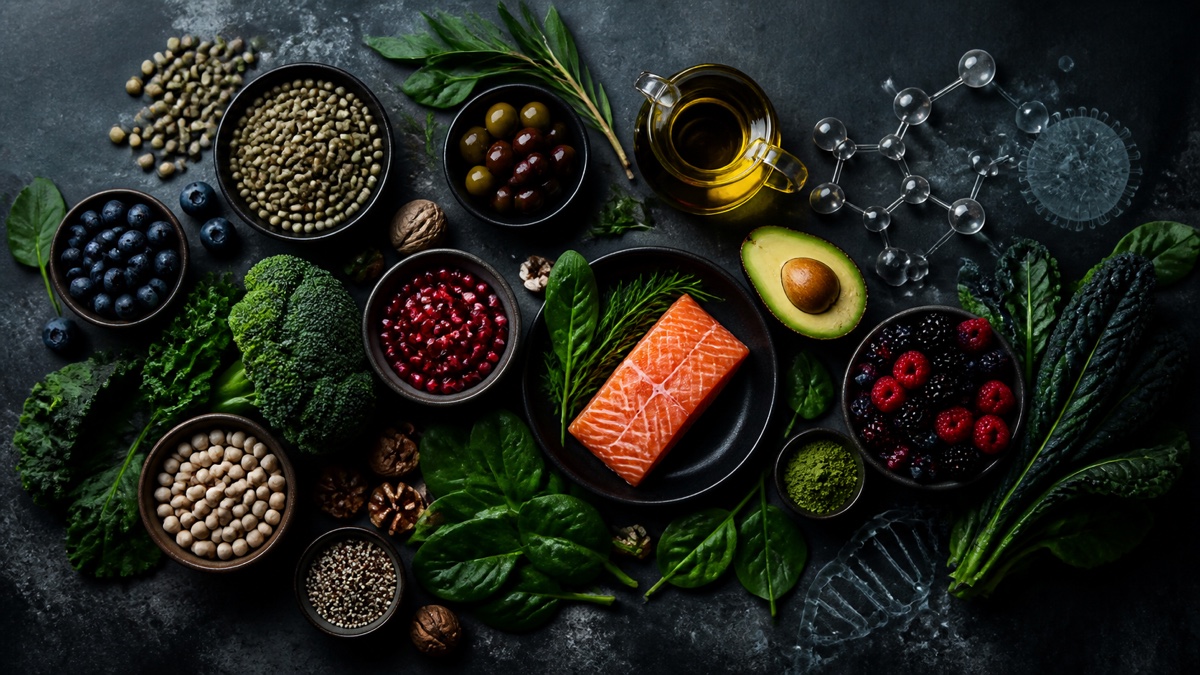
While protein is essential, a balanced diet rich in fruits, vegetables, whole grains, and healthy fats is equally important. These food groups provide essential vitamins, minerals, and antioxidants that support cellular health and combat oxidative stress. A diverse diet can also promote a healthy gut microbiome, which plays a significant role in overall health and longevity.
Lifestyle Habits
Beyond diet and exercise, lifestyle habits significantly impact healthy aging. Factors such as sleep quality, stress management, and social connections are crucial for maintaining mental and emotional health. Prioritizing sleep helps the body repair and regenerate, while effective stress management techniques—like mindfulness and meditation—can improve resilience against age-related decline. Additionally, fostering strong social ties has been linked to better health outcomes and increased longevity.
Implications for Longevity Enthusiasts
For those pursuing longevity and health optimization, understanding the broader picture of healthy aging is vital. While protein intake should be a consideration, it should not overshadow other essential elements like movement, dietary diversity, and healthy lifestyle habits. By adopting a holistic approach, individuals can enhance their overall well-being and improve their chances of aging gracefully.
Conclusion
In conclusion, while protein plays a role in healthy aging, it is just one piece of a larger puzzle. Emphasizing a balanced diet, regular physical activity, and positive lifestyle habits can lead to better health outcomes and a more fulfilling life as we age. As the conversation around nutrition continues to evolve, it is crucial for health optimizers and biohackers to embrace a comprehensive approach to longevity.
Sources
- Beyond protein: what really matters for healthy aging — Longevity Technology
Newsletter
Your weekly longevity signal. No spam.
Comments
Log in with
Loading comments…
More in Nutrition

Low-Fat Vegan Diet Improves Health Outcomes in Type 2 Diabetes
A recent human trial has shown that a low-fat, plant-based diet can significantly improve health…
5d ago

Methionine Restriction May Be Linked to Cysteine Levels
Recent discussions in the longevity research community suggest that the benefits attributed to…
Oct 10
Understanding Supplement Bioavailability: The Gut Factor
As the longevity industry evolves, the focus on supplement bioavailability is becoming increasingly…
Oct 3

Creatine Supplementation Preserves Lean Mass Without Exercise
A recent study reveals that creatine supplementation can help maintain and even increase lean mass…
Sep 26