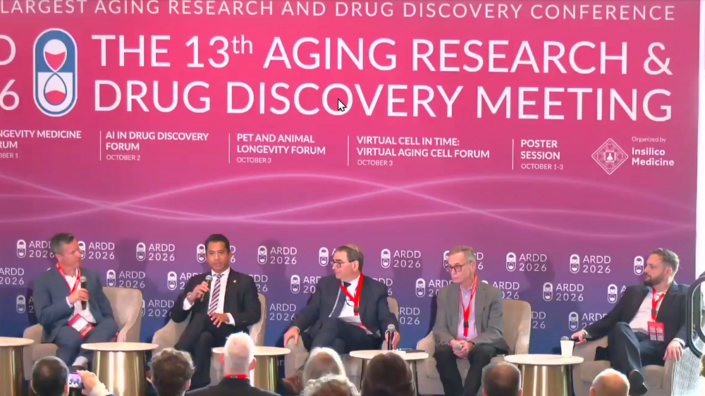
FDA Prioritizes Longevity Research at ARDD Conference

Edited by Vita Solenne
Research & Biotech · Updated October 3, 2026
At the recent Aging Research and Drug Development (ARDD) conference in Boston, senior FDA officials announced that aging will be included in the agency's regulatory science agenda. This move aims to facilitate the approval process for therapies targeting aging and longevity, marking a significant shift in the FDA's focus towards age-related health solutions.
Share this story
Why it matters
- ✓Inclusion of aging in the FDA's agenda may accelerate the development and approval of therapies aimed at extending healthspan.
- ✓Health optimizers and biohackers could see more options for treatments that address age-related conditions, enhancing their longevity strategies.
- ✓This initiative could lead to increased funding and research into longevity, benefiting the broader community interested in health optimization.
FDA Prioritizes Longevity Research at ARDD Conference
At the recent Aging Research and Drug Development (ARDD) conference held in Boston, senior officials from the U.S. Food and Drug Administration (FDA) announced a pivotal shift in their regulatory science agenda, emphasizing the importance of aging as a priority. This announcement signals a growing recognition of the need to address aging-related health issues through innovative therapies and regulatory frameworks.
The FDA's New Focus on Aging
During the panel discussions at the ARDD, FDA leaders outlined their plans to incorporate aging into their regulatory science agenda. This initiative aims to streamline the process for approving therapies that target age-related diseases and conditions. The FDA's commitment to prioritizing longevity reflects an understanding that aging is a significant factor in public health, impacting millions of individuals and leading to various chronic diseases.
The inclusion of aging in the FDA's agenda is expected to facilitate the development of new treatments that could extend healthspan—the period of life spent in good health—rather than merely lifespan. This distinction is crucial for health optimizers and biohackers who seek not just to live longer but to maintain a high quality of life as they age.
Implications for Longevity Enthusiasts
The FDA's announcement has several implications for those interested in longevity and health optimization:
-
Accelerated Development of Therapies: With aging now a focus of regulatory science, researchers and companies may find it easier to navigate the approval process for new therapies aimed at combating age-related conditions. This could lead to a faster introduction of innovative treatments into the market.
-
Increased Research Funding: The FDA's prioritization of aging may attract more funding and resources towards research in this area. This influx of capital could support the development of groundbreaking therapies and technologies that enhance longevity.
-
Broader Treatment Options: As therapies targeting aging become more prevalent, health optimizers and biohackers will have access to a wider array of treatment options. This could include everything from pharmaceuticals to lifestyle interventions designed to mitigate the effects of aging.
The Future of Longevity Research
The FDA's commitment to addressing aging is a promising development for the longevity community. As the agency works to refine its regulatory processes, it is likely that we will see a surge in research and innovation aimed at improving health outcomes for older adults. This could lead to a paradigm shift in how society approaches aging, moving from a reactive stance to a proactive one that emphasizes prevention and health maintenance.
Moreover, the FDA's focus on aging aligns with a growing trend in the scientific community that recognizes aging as a modifiable risk factor for many diseases. By prioritizing research and therapies that target the biological mechanisms of aging, the FDA is paving the way for a future where aging is no longer seen as an inevitable decline but as a process that can be managed and optimized.
Conclusion
The FDA's announcement at the ARDD conference marks a significant milestone in the field of longevity research. By prioritizing aging in its regulatory science agenda, the FDA is not only acknowledging the importance of this issue but is also taking concrete steps to facilitate the development of therapies that could enhance healthspan and improve quality of life for millions. For health optimizers and biohackers, this could mean more opportunities to explore innovative solutions to age-related challenges, ultimately contributing to a healthier, longer life.
Sources
- FDA Leaders Name Longevity a Priority at ARDD — Lifespan.io
Newsletter
Your weekly longevity signal. No spam.
Comments
Log in with
Loading comments…
More in Biotech

Exploring the Connection Between Big Pharma and Gray-Market Peptides
A recent analysis reveals significant ties between the pharmaceutical industry and gray-market…
2d ago

Kailera Completes Enrollment for Obesity Trials, Results Expected in 2028
Kailera has completed enrollment for its three Phase 3 trials of ribupatide, a weekly injection…
2d ago
Longeveron’s Stem Cell Therapy Shows Promise for Reducing Brain Inflammation in Alzheimer’s Patients
Longeveron has released new preclinical data suggesting that its stem cell therapy may lead to…
2d ago
Heart Pill Reduces Inflammation Markers in Initial Study
Monte Rosa's NEK7-targeting drug has shown promise in reducing several heart-risk biomarkers in a…
2d ago