Fresh Mitochondria Aid in Clearing Damaged Ones, Study Finds

Edited by Vita Solenne
Research & Biotech · Updated September 26, 2026
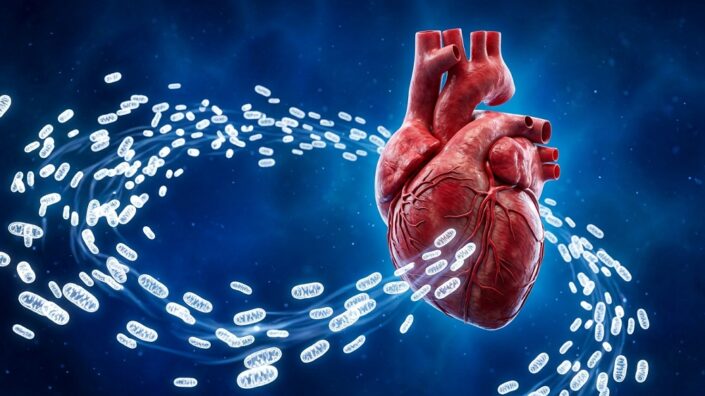
Recent research has identified that the protein BNIP3, which increases with age, negatively impacts the heart's energy processing capabilities. The study highlights that mitochondrial transplantation can effectively counteract the detrimental effects of BNIP3, suggesting a potential therapeutic approach for age-related mitochondrial dysfunction.
Share this story
Why it matters
- ✓Understanding mitochondrial health is crucial for longevity, as mitochondria are vital for energy production and cellular function.
- ✓Mitochondrial transplantation could offer a new strategy for improving heart health and overall cellular vitality in aging individuals.
- ✓This research may pave the way for innovative treatments targeting age-related diseases linked to mitochondrial dysfunction.
Fresh Mitochondria Aid in Clearing Damaged Ones, Study Finds
Introduction
Mitochondria, often referred to as the powerhouses of the cell, play a crucial role in energy production and overall cellular health. As we age, the efficiency of these organelles can decline, leading to various health issues, particularly in the heart. Recent research has shed light on the role of the protein BNIP3 in mitochondrial maintenance and its implications for aging and heart health.
The Role of BNIP3 in Aging
Researchers have discovered that BNIP3, a protein that regulates mitochondrial maintenance, increases in concentration as we age. This elevation in BNIP3 levels is associated with a decline in the heart's ability to process energy effectively. The heart, which relies heavily on mitochondria for its energy needs, can suffer from this dysfunction, potentially leading to various cardiovascular issues.
Mitochondrial Transplantation: A Potential Solution
The study highlights a promising approach to combat the negative effects of increased BNIP3 levels: mitochondrial transplantation. This technique involves transferring healthy mitochondria into cells that are struggling with damaged or dysfunctional mitochondria. The findings suggest that this transplantation can help restore cellular function and improve energy processing in the heart.
Implications for Longevity and Health Optimization
For individuals focused on longevity and health optimization, understanding the dynamics of mitochondrial health is essential. Mitochondria are not only critical for energy production but also play a role in regulating cellular metabolism and apoptosis (programmed cell death). Here are some key implications of this research:
- Mitochondrial Health and Longevity: Maintaining healthy mitochondria is vital for promoting longevity. As mitochondrial function declines with age, strategies to enhance or replace damaged mitochondria could be beneficial for extending healthspan.
- Therapeutic Potential: Mitochondrial transplantation presents a novel therapeutic avenue for age-related diseases, particularly those affecting the heart. This could lead to new treatments that improve quality of life for aging individuals.
- Broader Applications: While the study focuses on heart health, the implications of mitochondrial dysfunction extend to other organs and systems. Enhancing mitochondrial function could have widespread benefits for overall health and longevity.
Conclusion
The discovery that BNIP3 levels increase with age and negatively impact mitochondrial function underscores the importance of mitochondrial health in the aging process. Mitochondrial transplantation emerges as a promising strategy to counteract these effects, potentially offering new hope for individuals seeking to optimize their health and longevity. As research in this area progresses, it may lead to innovative therapies that enhance mitochondrial function, improve heart health, and ultimately contribute to a longer, healthier life.
Sources
- Giving Cells Fresh Mitochondria Helps Clear Damaged Ones — Lifespan.io
Newsletter
Your weekly longevity signal. No spam.
Comments
Log in with
Loading comments…
More in Research

Advancements in Cancer Science: Prevention, Detection, and Treatment Insights from Siddhartha Mukherjee
In a recent discussion, Dr. Siddhartha Mukherjee highlighted the evolving understanding of cancer,…
5h ago

Age-Related Decline in Chapero
The latest Fight Aging! newsletter discusses the age-related decline observed in the Chapero, a…
23h ago
Exploring the Link Between Socioeconomic Status and Life Expectancy
A recent analysis investigates the correlation between socioeconomic status (SES) and life…
2d ago

Blocking STING Helps Preserve Bone in Aging Mice
A recent study has identified a link between STING-mediated signals from marrow fat cells and…
2d ago