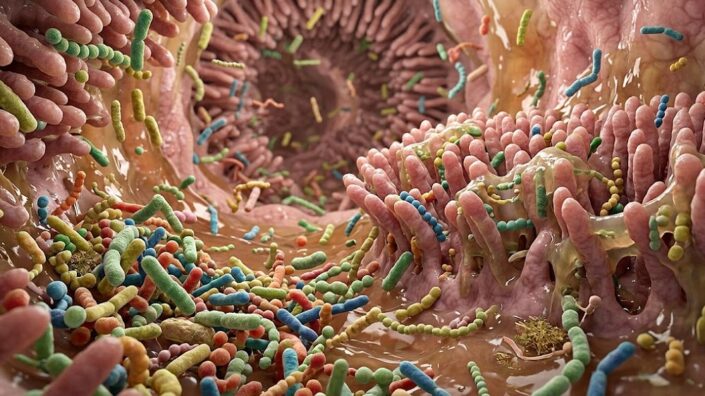
Gut Bacteria Molecule Found to Slow Atherosclerosis in Mice

Edited by Vita Solenne
Research & Biotech · Updated October 9, 2026
A recent study has identified a fatty acid produced by specific gut bacteria that acts similarly to statins, potentially providing a new approach to treating atherosclerosis. This discovery underscores the complex relationship between gut microbiota and cardiovascular health, suggesting that manipulating gut bacteria could be a viable strategy for preventing heart disease.
Share this story
Why it matters
- ✓Understanding the role of gut bacteria in cardiovascular health may lead to novel dietary or probiotic interventions for heart disease.
- ✓This research highlights the importance of gut health in overall longevity and health optimization.
- ✓Potentially offers a natural alternative to traditional statin medications, which can have side effects.
Gut Bacteria Molecule Found to Slow Atherosclerosis in Mice
A recent study has brought to light the significant role that gut bacteria play in cardiovascular health, particularly in the context of atherosclerosis. A specific fatty acid produced by a genus of gut bacteria has been identified as a natural statin, suggesting a novel approach to treating this common and serious condition.
Understanding Atherosclerosis
Atherosclerosis is a condition characterized by the buildup of cholesterol-rich plaques in the arteries, leading to reduced blood flow and increasing the risk of heart attacks and strokes. Traditional treatments for atherosclerosis often involve statins, which are medications that lower cholesterol levels in the blood. However, statins can come with side effects, prompting researchers to explore alternative therapies.
The Role of Gut Bacteria
The study in question highlights the connection between gut microbiota and the development of atherosclerosis. It suggests that certain gut bacteria produce fatty acids that can mimic the effects of statins. These fatty acids may help regulate cholesterol levels and reduce inflammation, both of which are crucial factors in the progression of atherosclerosis.
Implications for Longevity and Health Optimization
The findings from this study have significant implications for individuals interested in longevity and health optimization. Here are a few key points to consider:
- Natural Alternatives: The identification of a gut-derived fatty acid that acts like a statin opens the door for natural alternatives to pharmaceutical interventions. This could be particularly appealing for those who prefer to manage their health through dietary changes or probiotics.
- Gut Health Matters: This research reinforces the importance of maintaining a healthy gut microbiome. A balanced gut flora can have far-reaching effects on overall health, including cardiovascular health, which is a critical aspect of longevity.
- Potential Dietary Changes: As more is learned about the specific bacteria involved and the fatty acids they produce, there may be opportunities to tailor diets to enhance the growth of beneficial gut bacteria, thereby supporting heart health and longevity.
Future Directions
While this study provides promising insights, it is essential to recognize that research is still in its early stages. Most findings are based on animal models, and further studies are needed to determine how these results translate to human health. Future research will likely focus on identifying the specific bacteria responsible for producing these beneficial fatty acids and understanding how diet and lifestyle can influence their abundance in the gut.
Conclusion
In conclusion, the discovery of a gut bacteria-derived fatty acid that slows atherosclerosis in mice presents an exciting avenue for future research and potential therapeutic strategies. For those invested in longevity and health optimization, this study underscores the importance of gut health and its impact on cardiovascular disease. As our understanding of the gut microbiome continues to evolve, it may lead to innovative dietary and probiotic interventions that promote heart health and overall well-being.
Sources
- Gut Bacteria Molecule Slows Atherosclerosis in Mice — Lifespan.io
Newsletter
Your weekly longevity signal. No spam.
Comments
Log in with
Loading comments…
More in Research

Advancements in Cancer Science: Prevention, Detection, and Treatment Insights from Siddhartha Mukherjee
In a recent discussion, Dr. Siddhartha Mukherjee highlighted the evolving understanding of cancer,…
4h ago

Age-Related Decline in Chapero
The latest Fight Aging! newsletter discusses the age-related decline observed in the Chapero, a…
22h ago
Exploring the Link Between Socioeconomic Status and Life Expectancy
A recent analysis investigates the correlation between socioeconomic status (SES) and life…
2d ago

Blocking STING Helps Preserve Bone in Aging Mice
A recent study has identified a link between STING-mediated signals from marrow fat cells and…
2d ago