Menopausal Serum Protein Changes Linked to Brain Health

Edited by Vita Solenne
Research & Biotech · Updated October 14, 2026
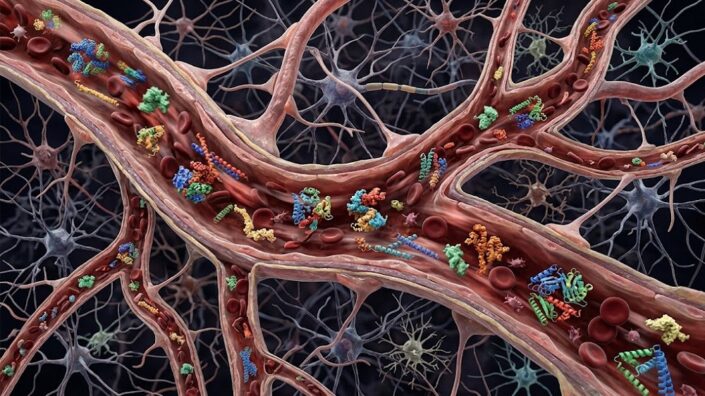
A recent study has identified 16 serum proteins that change during menopause, which are associated with inflammatory, synaptic, metabolic, and Alzheimer's disease processes. These protein level changes may serve as indicators of cognitive health during the menopausal transition. Understanding these changes could help in developing strategies for maintaining brain health in aging women.
Share this story
Why it matters
- ✓Identifying serum protein changes during menopause can help in early detection of cognitive decline.
- ✓This research highlights the importance of monitoring hormonal and protein levels for health optimization in women.
- ✓Understanding these biomarkers may lead to targeted interventions that promote brain health during menopause.
Menopausal Serum Protein Changes Linked to Brain Health
Introduction
Menopause is a significant transition in a woman's life, marked by various physiological changes, including hormonal fluctuations. Recent research has shed light on how these changes may impact cognitive health, particularly through alterations in serum protein levels. A study analyzed the serum proteins of women undergoing menopause and identified 16 proteins whose levels fluctuate during this period, linking these changes to cognitive health outcomes.
Key Findings
The study focused on proteins associated with several biological processes, including inflammation, synaptic function, metabolism, and Alzheimer's disease. The identification of these proteins is crucial as they may serve as biomarkers for cognitive health, providing insights into how menopause can affect brain function.
The Role of Serum Proteins
Serum proteins play a vital role in various bodily functions, including immune response, metabolism, and neurological health. The specific proteins identified in this study are believed to be involved in:
- Inflammatory Processes: Chronic inflammation is known to contribute to cognitive decline and neurodegenerative diseases.
- Synaptic Function: Proteins involved in synaptic transmission are essential for learning and memory.
- Metabolic Regulation: Metabolic health is closely tied to brain health, and disruptions can lead to cognitive impairments.
- Alzheimer’s Disease Pathways: Some proteins are directly linked to the biological processes underlying Alzheimer's disease, making their monitoring important for early intervention.
Implications for Longevity and Health Optimization
Understanding how menopausal serum protein changes affect brain health is particularly relevant for women pursuing longevity and health optimization. Here are some implications of this research:
- Early Detection of Cognitive Decline: By monitoring the identified serum proteins, healthcare providers may be able to detect early signs of cognitive decline in menopausal women, allowing for timely interventions.
- Targeted Health Strategies: This research opens the door for developing targeted health strategies that could mitigate the cognitive risks associated with menopause. For instance, lifestyle modifications or supplements that influence these protein levels may help maintain cognitive function.
- Holistic Health Monitoring: The findings emphasize the importance of a holistic approach to health monitoring during menopause, where hormonal and protein levels are considered in conjunction with overall health assessments.
Conclusion
The identification of serum protein changes during menopause presents a promising avenue for understanding and potentially mitigating cognitive decline in aging women. As more research unfolds, it may lead to practical applications in health optimization strategies, particularly for those focused on longevity. Monitoring these protein levels could become an integral part of health assessments for women navigating the menopausal transition, ultimately contributing to better brain health and quality of life in later years.
Future Directions
Further research is needed to explore the mechanisms by which these proteins influence cognitive health and to establish effective interventions. Longitudinal studies could provide deeper insights into how these changes evolve over time and their long-term implications for brain health. Additionally, exploring the potential for lifestyle or pharmacological interventions that target these proteins could be a valuable next step in promoting cognitive health during menopause.
Sources
Newsletter
Your weekly longevity signal. No spam.
Comments
Log in with
Loading comments…
More in Research

Advancements in Cancer Science: Prevention, Detection, and Treatment Insights from Siddhartha Mukherjee
In a recent discussion, Dr. Siddhartha Mukherjee highlighted the evolving understanding of cancer,…
3h ago

Age-Related Decline in Chapero
The latest Fight Aging! newsletter discusses the age-related decline observed in the Chapero, a…
21h ago
Exploring the Link Between Socioeconomic Status and Life Expectancy
A recent analysis investigates the correlation between socioeconomic status (SES) and life…
2d ago

Blocking STING Helps Preserve Bone in Aging Mice
A recent study has identified a link between STING-mediated signals from marrow fat cells and…
2d ago