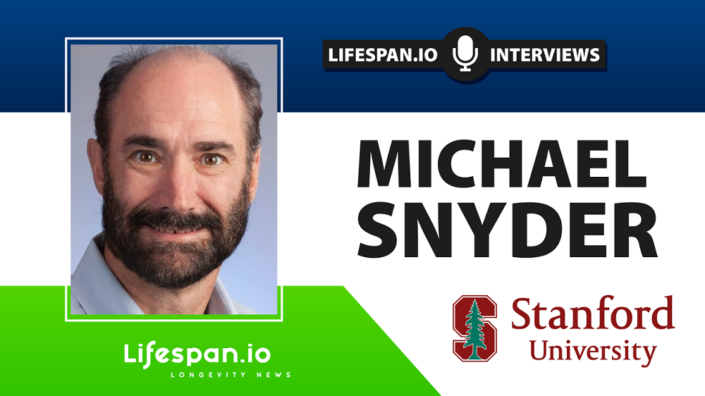
Michael Snyder Advocates for Health Tracking Over Disease Monitoring

Edited by Theron Pulsewood
Fitness & Biohacking · Updated September 4, 2026
Michael Snyder, a prominent figure in genomics and personalized medicine at Stanford University, emphasizes the importance of health-tracking wearables. In a recent interview, he discusses how these technologies can shift the focus from merely monitoring diseases to actively tracking health metrics, potentially leading to better health outcomes and longevity.
Share this story
Why it matters
- ✓Encourages proactive health management, allowing individuals to monitor their well-being in real-time.
- ✓Promotes the use of technology to identify health trends before they develop into serious conditions.
- ✓Supports the idea that understanding personal health data can empower individuals in their longevity journeys.
Michael Snyder Advocates for Health Tracking Over Disease Monitoring
Introduction
Michael Snyder, the Director of the Center for Genomics and Personalized Medicine at Stanford University, is a leading advocate for the use of health-tracking wearables. In a recent interview, he articulated a vision for a future where health is monitored proactively rather than reactively, emphasizing the need to shift our focus from disease detection to health optimization.
The Importance of Health Tracking
Snyder's passion for health-tracking technology stems from his belief that continuous monitoring can provide invaluable insights into an individual’s health status. Unlike traditional medical approaches that often focus on diagnosing diseases after they manifest, health tracking aims to identify changes in health metrics before they escalate into serious issues. This proactive approach could lead to earlier interventions and better health outcomes.
Wearables: The Future of Health Monitoring
Health-tracking wearables, such as smartwatches and fitness bands, are becoming increasingly sophisticated. These devices can monitor a range of health metrics, including heart rate, sleep patterns, physical activity, and even blood glucose levels. Snyder argues that by leveraging these technologies, individuals can gain a more comprehensive understanding of their health, enabling them to make informed decisions about their lifestyle and wellness strategies.
Shifting the Paradigm
The traditional healthcare model often emphasizes disease management, which can lead to a reactive mindset among patients and healthcare providers. Snyder’s approach advocates for a paradigm shift where the primary focus is on maintaining and enhancing health. This shift could empower individuals to take charge of their health journeys, fostering a culture of prevention rather than treatment.
Implications for Longevity Enthusiasts
For those pursuing longevity and health optimization, Snyder's insights are particularly relevant. By utilizing health-tracking technologies, individuals can:
- Monitor Vital Signs: Regularly tracking metrics such as heart rate variability, blood pressure, and oxygen levels can help identify potential health issues early.
- Understand Personal Trends: Analyzing personal health data over time can reveal patterns that may not be apparent during routine check-ups.
- Make Informed Lifestyle Choices: With real-time data, individuals can adjust their diets, exercise routines, and other lifestyle factors to enhance their overall health and longevity.
Conclusion
Michael Snyder’s advocacy for health tracking represents a significant shift in how we approach personal health management. By focusing on health rather than disease, individuals can harness the power of technology to improve their well-being and potentially extend their lifespan. As health-tracking wearables continue to evolve, they hold the promise of transforming our understanding of health and longevity, making it essential for health optimizers and biohackers to embrace these innovations.
Sources
- Michael Snyder: We Need to Track Health, Not Disease — Lifespan.io
Newsletter
Your weekly longevity signal. No spam.
Comments
Log in with
Loading comments…
More in Biohacking
New Device Aims to Alleviate Menopause Symptoms Through Sexual Stimulation
Lovehoney Group has launched MenoPulse, a device designed to help alleviate menopause symptoms…
3d ago
Function and Google Partner to Integrate Health Data and Wearable Signals
Function and Google Health have announced a partnership aimed at integrating Function's lab testing…
5d ago
Restore and Niagen Bioscience Launch Longevity Month to Promote Healthspan
Restore Hyper Wellness and Niagen Bioscience have announced a collaborative initiative to declare…
6d ago
NUS Academy Launches Masterclass to Integrate Longevity Science into Business Strategy
The National University of Singapore (NUS) Academy for Healthy Longevity is set to host a three-day…
Oct 7