Microglia Mistakenly Consume Living Neurons in ALS

Edited by Vita Solenne
Research & Biotech · Updated September 4, 2026
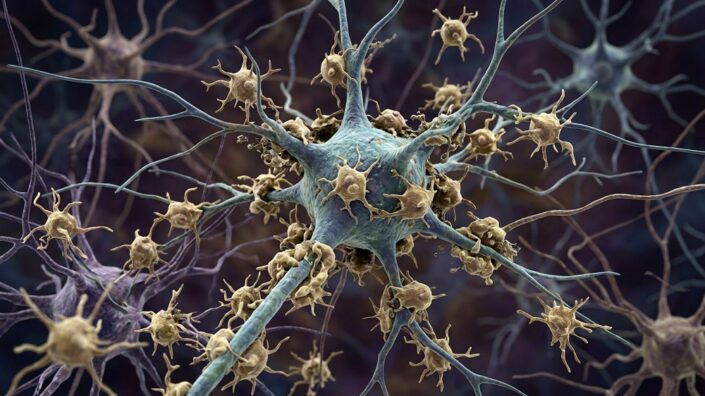
A recent study has revealed that in amyotrophic lateral sclerosis (ALS), the brain's immune cells, known as microglia, mistakenly consume living neurons, believing them to be dead. This misidentification may contribute to the progression of ALS and potentially other neurodegenerative diseases. Understanding this mechanism could open new avenues for therapeutic interventions.
Share this story
Why it matters
- ✓Insights into microglial behavior could lead to targeted therapies that prevent neuron loss in neurodegenerative diseases.
- ✓Understanding the immune response in the brain may help longevity enthusiasts develop strategies to protect neuronal health.
- ✓This research highlights the importance of maintaining a healthy brain environment to prevent miscommunication between immune cells and neurons.
Microglia Mistakenly Consume Living Neurons in ALS
Introduction
A recent study has brought to light a concerning mechanism in amyotrophic lateral sclerosis (ALS), a progressive neurodegenerative disease. The study suggests that microglia, the brain's immune cells, are misidentifying stressed neurons as dead and subsequently consuming them. This miscommunication may play a significant role in the progression of ALS and potentially other neurodegenerative diseases.
Understanding Microglia and Their Role
Microglia are specialized immune cells located in the central nervous system. They play a crucial role in maintaining brain health by responding to injury and disease. Under normal circumstances, microglia help clear out dead cells and debris, supporting neuronal health and function. However, in the context of ALS, these cells appear to misinterpret the signals from stressed neurons, leading to the consumption of living cells.
Mechanism of Misidentification
The study indicates that when neurons are under stress, they may release signals that are misread by microglia. Instead of recognizing these neurons as alive but stressed, microglia mistakenly classify them as dead. This misidentification triggers a response in which microglia engulf and destroy the living neurons, exacerbating the loss of neuronal function and contributing to the disease's progression.
Implications for Neurodegenerative Diseases
While the study primarily focuses on ALS, the findings may extend to other neurodegenerative conditions, such as Alzheimer's and Parkinson's diseases. If microglial misidentification is a common feature across these diseases, it could represent a shared pathway that contributes to neuronal loss. Understanding this mechanism could pave the way for new therapeutic strategies aimed at modulating microglial activity and protecting neurons.
Potential Therapeutic Interventions
The implications of this research are significant for the development of treatments for ALS and other neurodegenerative diseases. By targeting the signaling pathways involved in microglial activation and their interaction with neurons, researchers may be able to devise strategies that prevent microglia from mistakenly consuming living neurons. This could help preserve neuronal health and function, potentially slowing the progression of these debilitating diseases.
Importance for Longevity and Health Optimization
For those pursuing longevity and health optimization, understanding the role of microglia in brain health is crucial. The findings of this study underscore the importance of maintaining a healthy brain environment to prevent miscommunication between immune cells and neurons. Strategies that promote neuronal health, such as regular exercise, a balanced diet rich in antioxidants, and stress management, may help mitigate the risks associated with neurodegenerative diseases.
Conclusion
The discovery that microglia can mistakenly consume living neurons in ALS opens new avenues for research and therapeutic development. By further investigating this mechanism, scientists may uncover ways to protect neurons and improve outcomes for individuals with ALS and other neurodegenerative diseases. For longevity enthusiasts, this research highlights the critical need to prioritize brain health and understand the complex interactions between the immune system and neuronal function.
Sources
Newsletter
Your weekly longevity signal. No spam.
Comments
Log in with
Loading comments…
More in Research
Renue by Science Launches Home-Based Health Research Community
Renue by Science has introduced the Renue Research Community, enabling consumers to participate in…
Just now

Advancements in Cancer Science: Prevention, Detection, and Treatment Insights from Siddhartha Mukherjee
In a recent discussion, Dr. Siddhartha Mukherjee highlighted the evolving understanding of cancer,…
6h ago

Age-Related Decline in Chapero
The latest Fight Aging! newsletter discusses the age-related decline observed in the Chapero, a…
23h ago
Exploring the Link Between Socioeconomic Status and Life Expectancy
A recent analysis investigates the correlation between socioeconomic status (SES) and life…
2d ago