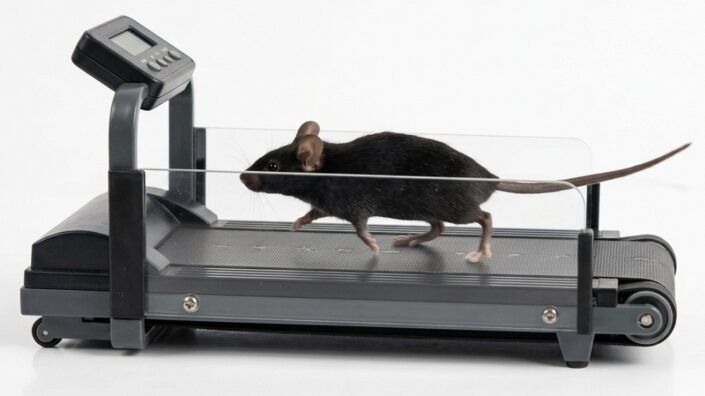
Physical Activity Delays Ovarian Aging in Mice

Edited by Vita Solenne
Research & Biotech · Updated September 23, 2026
A recent study indicates that treadmill training can delay ovarian aging in mice, with the effect linked to the hormone adiponectin. Additionally, pharmacological activation of adiponectin receptors has been shown to extend the reproductive span in these animals. These findings may have implications for understanding ovarian health and longevity.
Share this story
Why it matters
- ✓Understanding the role of physical activity in delaying ovarian aging could inform strategies for women's reproductive health and longevity.
- ✓The study highlights adiponectin's potential as a target for interventions aimed at extending reproductive lifespan.
- ✓Insights from this research may encourage health optimizers to incorporate regular physical activity into their routines for better overall health.
Introduction
Recent research has shed light on the relationship between physical activity and ovarian aging, particularly in mice. The study, published by Lifespan.io, reveals that engaging in regular treadmill training can significantly delay the aging process of the ovaries. This finding is particularly intriguing for those interested in longevity and health optimization, as it opens up new avenues for understanding reproductive health.
Key Findings
The study's results suggest that the benefits of physical activity on ovarian aging are mediated by the hormone adiponectin. Adiponectin is known for its role in regulating glucose levels as well as fatty acid breakdown, but this research highlights its potential impact on reproductive health as well.
In addition to the physical activity aspect, the study also explored the pharmacological activation of adiponectin receptors. This intervention was found to extend the reproductive span in mice, indicating that manipulating adiponectin levels could be a viable strategy for enhancing reproductive longevity.
The Role of Adiponectin
Adiponectin is a protein hormone secreted by adipose tissue and plays a crucial role in metabolic processes. Its levels are often inversely related to body fat percentage, meaning that individuals with higher adiponectin levels typically have lower levels of body fat. The current study suggests that higher adiponectin levels, stimulated by physical activity, may contribute to delaying ovarian aging.
This finding is particularly relevant for women as they age, as ovarian aging can lead to decreased fertility and other health issues. By understanding how physical activity influences adiponectin levels and, consequently, ovarian health, researchers may be able to develop targeted interventions for women seeking to optimize their reproductive lifespan.
Implications for Longevity Enthusiasts
For those pursuing longevity and health optimization, the implications of this study are significant:
- Incorporating Physical Activity: Regular exercise, such as treadmill training, may not only improve overall health but also specifically benefit reproductive health by delaying ovarian aging.
- Potential for New Therapies: The findings suggest that pharmacological approaches targeting adiponectin could be developed to help extend reproductive lifespan, offering new options for women facing age-related fertility challenges.
- Holistic Health Approach: This research underscores the importance of a holistic approach to health, where physical activity is recognized as a key factor in maintaining not just metabolic health but also reproductive health.
Conclusion
While the study primarily focuses on mice, the insights gained could have broader implications for human health, particularly for women. As research continues to explore the connections between physical activity, hormonal regulation, and reproductive aging, it may pave the way for new strategies aimed at enhancing longevity and quality of life. For health optimizers and biohackers, this study serves as a reminder of the multifaceted benefits of regular physical activity and its potential role in extending reproductive health.
Sources
- Physical Activity Delays Ovarian Aging in Mice — Lifespan.io
Newsletter
Your weekly longevity signal. No spam.
Comments
Log in with
Loading comments…
More in Research

Advancements in Cancer Science: Prevention, Detection, and Treatment Insights from Siddhartha Mukherjee
In a recent discussion, Dr. Siddhartha Mukherjee highlighted the evolving understanding of cancer,…
5h ago

Age-Related Decline in Chapero
The latest Fight Aging! newsletter discusses the age-related decline observed in the Chapero, a…
23h ago
Exploring the Link Between Socioeconomic Status and Life Expectancy
A recent analysis investigates the correlation between socioeconomic status (SES) and life…
2d ago

Blocking STING Helps Preserve Bone in Aging Mice
A recent study has identified a link between STING-mediated signals from marrow fat cells and…
2d ago