RNA Regulator MTR4 Reduces Blood Vessel Senescence

Edited by Vita Solenne
Research & Biotech · Updated October 20, 2026
A recent study published in Aging Cell highlights the role of the regulatory protein MTR4 in combating DNA damage within blood vessels. Researchers found that MTR4 levels decline with age, contributing to cellular senescence in the vascular system. This discovery may provide insights into potential therapeutic strategies for age-related vascular issues.
Share this story
Why it matters
- ✓Understanding the mechanisms of blood vessel aging can help in developing interventions that promote vascular health.
- ✓Targeting MTR4 may offer a new avenue for therapies aimed at reducing age-related diseases, particularly cardiovascular conditions.
- ✓Improving blood vessel function is crucial for overall longevity and health optimization.
RNA Regulator MTR4 Reduces Blood Vessel Senescence
Introduction
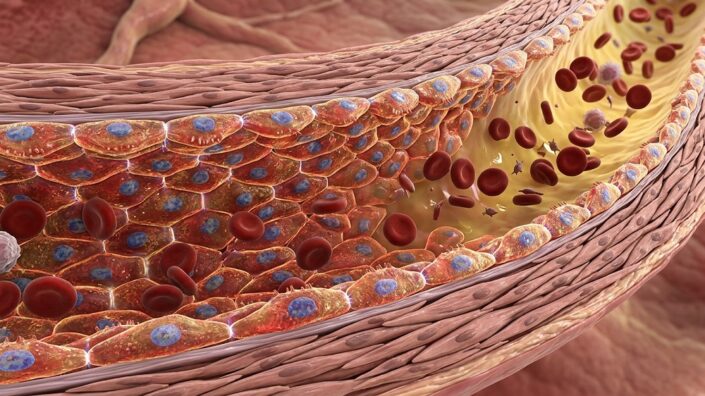
Recent research published in the journal Aging Cell has shed light on the role of the regulatory protein MTR4 in the aging process, particularly in the context of blood vessels. This study reveals that MTR4 plays a crucial role in mitigating DNA damage in the endothelial cells that line blood vessels. As MTR4 levels decrease with age, the implications for vascular health and longevity become increasingly significant.
What is MTR4?
MTR4 is a regulatory protein involved in various cellular processes, including RNA metabolism and the response to DNA damage. It is part of a larger family of proteins that help maintain cellular homeostasis and protect cells from stressors that can lead to senescence, a state where cells lose their ability to divide and function properly. Senescent cells can contribute to various age-related diseases, including cardiovascular conditions.
The Study's Findings
The researchers found that MTR4 levels decline as organisms age, leading to increased DNA damage in the endothelial cells of blood vessels. This decline in MTR4 is associated with the onset of cellular senescence, which can impair vascular function and contribute to the development of age-related diseases. By understanding the mechanisms through which MTR4 operates, the researchers hope to identify potential therapeutic targets for combating vascular aging.
Implications for Longevity and Health Optimization
For individuals focused on longevity and health optimization, these findings underscore the importance of maintaining vascular health as we age. The decline of MTR4 and its role in promoting cellular health in blood vessels suggests that interventions aimed at boosting MTR4 levels or mimicking its function could be beneficial.
Potential Therapeutic Strategies
While the study does not provide specific interventions, it opens the door for future research into therapies that could enhance MTR4 activity or compensate for its decline. Such strategies could include:
- Gene therapy: Introducing or enhancing MTR4 expression in endothelial cells to combat age-related decline.
- Small molecules: Developing drugs that can mimic the action of MTR4 or stabilize its function in aging cells.
- Lifestyle interventions: Exploring how diet, exercise, and other lifestyle factors may influence MTR4 levels and vascular health.
Importance of Vascular Health
Maintaining healthy blood vessels is crucial for overall health and longevity. The vascular system is responsible for delivering oxygen and nutrients to tissues and removing waste products. Impaired vascular function can lead to a range of health issues, including hypertension, atherosclerosis, and other cardiovascular diseases. By targeting the underlying mechanisms of vascular aging, such as the decline of MTR4, it may be possible to improve health outcomes and extend lifespan.
Conclusion
The decline of the RNA regulator MTR4 with age presents a significant area of interest for researchers and health optimizers alike. By understanding how MTR4 mitigates DNA damage in blood vessels, we can begin to explore potential interventions that may help maintain vascular health and combat age-related diseases. As research in this area progresses, it may lead to new strategies for enhancing longevity and improving quality of life as we age.
Sources
- An RNA Regulator Mitigates Senescence in Blood Vessels — Lifespan.io
Newsletter
Your weekly longevity signal. No spam.
Comments
Log in with
Loading comments…
More in Research

Gut Microbiome Composition as a Predictor of Inflammation and Disease Risk
Recent research indicates that the composition of the gut microbiome is a more accurate predictor…
12h ago
Genomic Insights from the Aldabra Giant Tortoise: Implications for Aging Research
Researchers have sequenced the genomes of both young and old Aldabra giant tortoises to explore the…
12h ago

Chaperone-Mediated Autophagy Reduces Cellular Senescence
Recent research published in Nature Aging highlights the role of chaperone-mediated autophagy (CMA)…
12h ago
Intrinsic Capacity: A New Measure for Healthy Aging
A new framework for assessing healthy aging, termed 'intrinsic capacity,' focuses on an…
12h ago