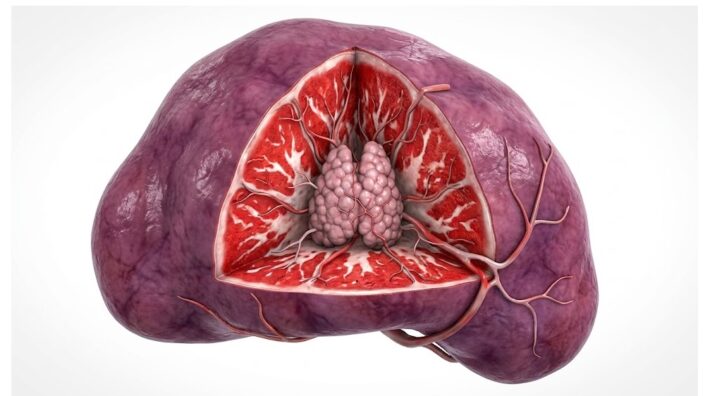
Thymus Grafts in Mouse Spleens Enhance Immune Function

Edited by Vita Solenne
Research & Biotech · Updated September 18, 2026
A recent study has shown that thymic tissue implanted into the spleens of mice can improve immune responses against viruses and tumors. This innovative approach also reverses age-related thymic involution, a process that diminishes immune function with age. These findings could have significant implications for enhancing immunity in aging populations.
Share this story
Why it matters
- ✓Improved immune function could lead to better health outcomes for older adults, potentially reducing the incidence of age-related diseases.
- ✓Understanding thymic involution and its reversal may provide insights into strategies for longevity and health optimization.
- ✓This research opens avenues for future therapies aimed at enhancing immunity through organ grafting techniques.
Thymus Grafts in Mouse Spleens Enhance Immune Function
Introduction
The thymus is a small but vital organ in the immune system, responsible for the maturation of T-cells, which are crucial for adaptive immunity. As individuals age, the thymus undergoes a process known as thymic involution, leading to a decline in immune function and an increased susceptibility to infections and diseases. A recent study has explored a novel approach to combat this decline by implanting thymic tissue into the spleens of mice, with promising results.
The Study
In this groundbreaking research, scientists implanted thymic tissue into the spleens of mice. The results were significant: the grafted thymic tissue improved the immune responses of the mice against various viral infections and tumors. Furthermore, the study demonstrated that this method could reverse age-related thymic involution, effectively restoring the immune function that typically diminishes with age.
Mechanism of Action
The thymus plays a critical role in the development of T-cells, which are essential for the body's ability to fight off pathogens and cancer cells. By introducing thymic tissue into the spleen, researchers were able to create an environment conducive to T-cell maturation and proliferation. This innovative approach suggests that the spleen can serve as a supportive site for thymic function, potentially compensating for the loss of thymic activity due to aging.
Implications for Longevity and Health Optimization
The findings of this study hold several implications for those interested in longevity and health optimization:
-
Enhanced Immune Function: The ability to restore immune responses in aging populations could lead to improved health outcomes, reducing the risk of infections and age-related diseases. This is particularly relevant as the global population ages and the burden of chronic diseases increases.
-
Reversal of Thymic Involution: Understanding the mechanisms behind thymic involution and its reversal may provide insights into developing therapies aimed at enhancing immune function in older adults. This could pave the way for innovative treatments that target immune rejuvenation.
-
Future Research Directions: The success of thymic grafts in mice opens new avenues for research into similar applications in humans. If these findings can be translated to human medicine, it could revolutionize approaches to immunotherapy and regenerative medicine.
Conclusion
The study demonstrating the successful implantation of thymic tissue into mouse spleens marks a significant advancement in our understanding of immune system function and aging. By potentially reversing thymic involution and enhancing immune responses, this research offers hope for improved health outcomes in aging populations. As scientists continue to explore the implications of these findings, the prospect of developing therapies that restore immune function could become a reality, contributing to the overarching goal of longevity and health optimization.
While the study is still in its early stages and conducted in mice, the implications for human health are profound. Continued research in this area may lead to innovative strategies for enhancing immunity and promoting healthier aging, ultimately benefiting those who seek to optimize their health and longevity.
Sources
- Thymus Grafts Grow in Mouse Spleens, Restoring Immunity — Lifespan.io
Newsletter
Your weekly longevity signal. No spam.
Comments
Log in with
Loading comments…
More in Research

Advancements in Cancer Science: Prevention, Detection, and Treatment Insights from Siddhartha Mukherjee
In a recent discussion, Dr. Siddhartha Mukherjee highlighted the evolving understanding of cancer,…
5h ago

Age-Related Decline in Chapero
The latest Fight Aging! newsletter discusses the age-related decline observed in the Chapero, a…
23h ago
Exploring the Link Between Socioeconomic Status and Life Expectancy
A recent analysis investigates the correlation between socioeconomic status (SES) and life…
2d ago

Blocking STING Helps Preserve Bone in Aging Mice
A recent study has identified a link between STING-mediated signals from marrow fat cells and…
2d ago