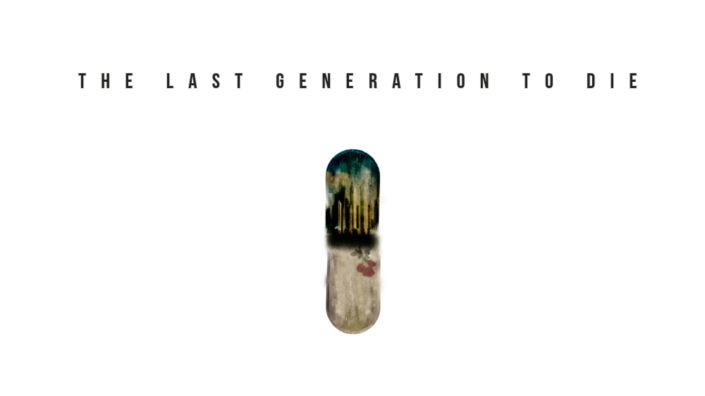
Tim Maupin Discusses His Film 'The Last Generation to Die'

Edited by Vita Solenne
Research & Biotech · Updated September 5, 2026
Filmmaker Tim Maupin is developing a near-future film titled 'The Last Generation to Die,' which explores the implications of the arrival of true rejuvenation technologies. The film addresses the societal divide that may emerge between those who can access these technologies and those who cannot. As the project progresses, it raises important questions about equity in health and longevity.
Share this story
Why it matters
- ✓The film highlights potential disparities in access to rejuvenation technologies, which could affect longevity outcomes for different populations.
- ✓It prompts discussions about ethical considerations in the development and distribution of health optimization technologies.
- ✓The narrative may inspire viewers to think critically about the future of health and longevity in society.
Tim Maupin Discusses His Film 'The Last Generation to Die'
Introduction
Filmmaker Tim Maupin is currently working on a thought-provoking project titled 'The Last Generation to Die.' This near-future film delves into the societal implications of emerging rejuvenation technologies, exploring who will benefit from these advancements and who may be left behind. As the film develops, it raises critical questions about equity in health and longevity that resonate with the growing community of health optimizers and biohackers.
The Concept of Rejuvenation Technologies
Rejuvenation technologies refer to medical advancements aimed at reversing the aging process and restoring youthful health. These technologies could include gene therapies, advanced regenerative medicine, and other innovative treatments that significantly extend lifespan and improve quality of life. Maupin's film posits a future where such technologies are not only available but also accessible to a select few, creating a divide between those who can afford them and those who cannot.
The Narrative of the Film
In 'The Last Generation to Die,' Maupin imagines a world where the first true rejuvenation technologies have been developed. The film's narrative explores the consequences of these advancements, particularly focusing on the social and ethical dilemmas that arise when only a portion of the population can access life-extending treatments. This scenario raises questions about the implications for health equity and the moral responsibilities of those who possess the means to enhance their longevity.
Societal Implications
Maupin's film serves as a cautionary tale about the potential for increased inequality in health outcomes. As rejuvenation technologies become more prevalent, there is a risk that they will only be available to the wealthy, exacerbating existing disparities in healthcare access. This scenario could lead to a society where longevity is a privilege rather than a universal right, prompting discussions about the ethical distribution of life-extending technologies.
Relevance to Longevity Enthusiasts
For those pursuing longevity and health optimization, Maupin's film is particularly relevant. It encourages viewers to consider not just the scientific advancements in rejuvenation but also the broader societal implications of these technologies. As the community of biohackers and health optimizers continues to grow, it is crucial to engage in conversations about how to ensure equitable access to life-extending treatments.
Conclusion
Tim Maupin's 'The Last Generation to Die' is more than just a film; it is a reflection on the future of health and longevity in society. By addressing the potential disparities in access to rejuvenation technologies, the film invites viewers to think critically about the ethical dimensions of health optimization. As advancements in biotechnology continue to evolve, it is essential for the longevity community to advocate for equitable access to ensure that everyone can benefit from the promise of extended life and improved health.
Sources
- The Last Generation to Die: Interview With Tim Maupin — Lifespan.io
Newsletter
Your weekly longevity signal. No spam.
Comments
Log in with
Loading comments…
More in Biotech

Fractyl Revita Shows Promise in Reducing Weight Regain After GLP-1 Therapy
Fractyl Health has announced positive results from the REMAIN-1 pivotal study, which evaluated the…
Just now

Exploring the Connection Between Big Pharma and Gray-Market Peptides
A recent analysis reveals significant ties between the pharmaceutical industry and gray-market…
2d ago
Kailera Completes Enrollment for Obesity Trials, Results Expected in 2028
Kailera has completed enrollment for its three Phase 3 trials of ribupatide, a weekly injection…
2d ago
Longeveron’s Stem Cell Therapy Shows Promise for Reducing Brain Inflammation in Alzheimer’s Patients
Longeveron has released new preclinical data suggesting that its stem cell therapy may lead to…
2d ago