Understanding and Managing High Blood Pressure

Edited by Theron Pulsewood
Fitness & Biohacking · Updated September 7, 2026
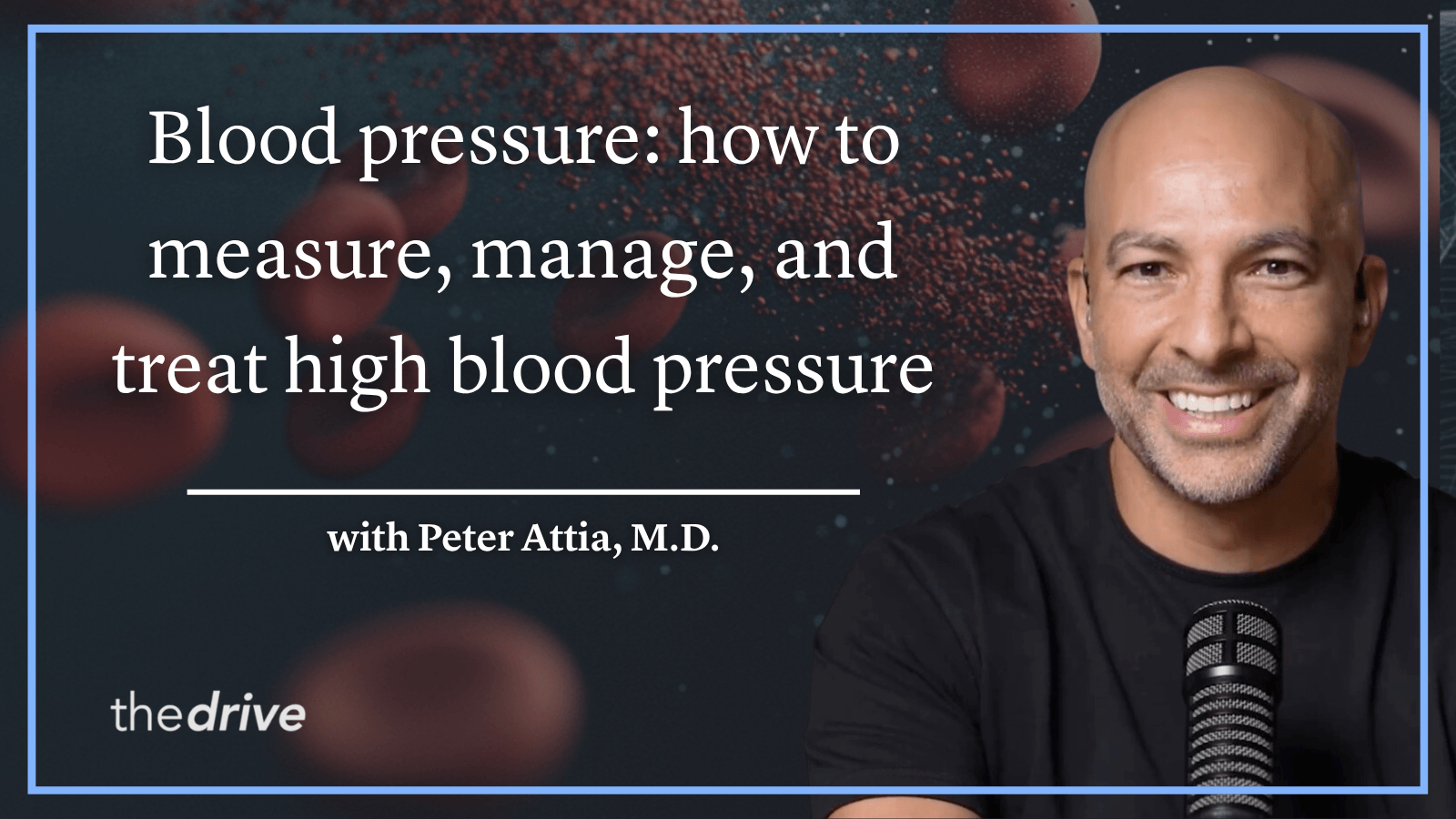
In a recent AMA episode, Peter Attia discusses the significance of blood pressure in relation to health and longevity. He highlights the prevalence of high blood pressure, its role in atherosclerosis, and the importance of proper measurement and management. The episode aims to educate listeners on the often undiagnosed nature of this condition and its implications for overall health.
Share this story
Why it matters
- ✓High blood pressure is a major risk factor for cardiovascular diseases, which can significantly impact longevity.
- ✓Understanding blood pressure management can empower individuals to take proactive steps in optimizing their health.
- ✓Proper measurement and treatment of high blood pressure can lead to better health outcomes and improved quality of life.
Understanding and Managing High Blood Pressure
High blood pressure, or hypertension, is a critical health issue that affects millions of people worldwide. In a recent episode of his Ask Me Anything (AMA) series, Dr. Peter Attia delves into the complexities of blood pressure, its implications for health, and strategies for effective management. This article summarizes key insights from the episode, focusing on why understanding and managing blood pressure is essential for those pursuing longevity and health optimization.
The Prevalence of High Blood Pressure
Hypertension is one of the leading causes of cardiovascular diseases, which are among the top contributors to mortality globally. Dr. Attia emphasizes that high blood pressure is often undiagnosed, making it a silent threat to many individuals. The condition can develop gradually and may not present noticeable symptoms until significant damage has occurred. This underscores the importance of regular monitoring and awareness of one’s blood pressure levels.
Understanding Blood Pressure Measurements
Blood pressure is measured in millimeters of mercury (mmHg) and is expressed as two numbers: systolic (the pressure when the heart beats) over diastolic (the pressure when the heart rests between beats). Normal blood pressure is generally considered to be around 120/80 mmHg. Measurements consistently above this range may indicate hypertension, which can lead to serious health complications if left unmanaged.
Dr. Attia discusses the different stages of hypertension:
- Normal: Less than 120/80 mmHg
- Elevated: 120-129/<80 mmHg
- Hypertension Stage 1: 130-139/80-89 mmHg
- Hypertension Stage 2: 140 or higher/90 or higher mmHg
Understanding these categories is crucial for individuals aiming to optimize their health, as it allows for early intervention and management.
The Role of Blood Pressure in Atherosclerosis
High blood pressure is one of the three primary causes of atherosclerosis, alongside elevated apolipoprotein B (apoB) levels and smoking. Atherosclerosis is the buildup of fats, cholesterol, and other substances in and on the artery walls, which can lead to serious cardiovascular events such as heart attacks and strokes. Dr. Attia highlights that managing blood pressure is not only about preventing hypertension but also about reducing the risk of atherosclerosis and its associated complications.
Strategies for Managing High Blood Pressure
Dr. Attia emphasizes several strategies for managing high blood pressure effectively:
- Regular Monitoring: Individuals should regularly check their blood pressure, especially if they have risk factors such as obesity, a sedentary lifestyle, or a family history of hypertension.
- Lifestyle Modifications: Diet and exercise play a significant role in blood pressure management. A diet rich in fruits, vegetables, whole grains, and low in sodium can help lower blood pressure. Regular physical activity is also crucial.
- Stress Management: Chronic stress can contribute to high blood pressure. Techniques such as mindfulness, meditation, and adequate sleep can help mitigate stress levels.
- Medication: In some cases, lifestyle changes alone may not be sufficient. Dr. Attia discusses the importance of working with healthcare providers to determine if medication is necessary to manage blood pressure effectively.
Implications for Longevity and Health Optimization
For individuals pursuing longevity and health optimization, understanding and managing blood pressure is vital. High blood pressure can lead to severe health complications that significantly shorten lifespan and diminish quality of life. By taking proactive steps to monitor and manage blood pressure, individuals can reduce their risk of cardiovascular diseases and improve their overall health outcomes.
In conclusion, Dr. Peter Attia’s insights into blood pressure highlight the importance of awareness, measurement, and management. By understanding the implications of high blood pressure and implementing effective strategies, individuals can take significant steps toward optimizing their health and longevity.
Sources
Newsletter
Your weekly longevity signal. No spam.
Comments
Log in with
Loading comments…
More in Biohacking

New Device Aims to Alleviate Menopause Symptoms Through Sexual Stimulation
Lovehoney Group has launched MenoPulse, a device designed to help alleviate menopause symptoms…
3d ago
Function and Google Partner to Integrate Health Data and Wearable Signals
Function and Google Health have announced a partnership aimed at integrating Function's lab testing…
5d ago
Restore and Niagen Bioscience Launch Longevity Month to Promote Healthspan
Restore Hyper Wellness and Niagen Bioscience have announced a collaborative initiative to declare…
6d ago
NUS Academy Launches Masterclass to Integrate Longevity Science into Business Strategy
The National University of Singapore (NUS) Academy for Healthy Longevity is set to host a three-day…
Oct 7