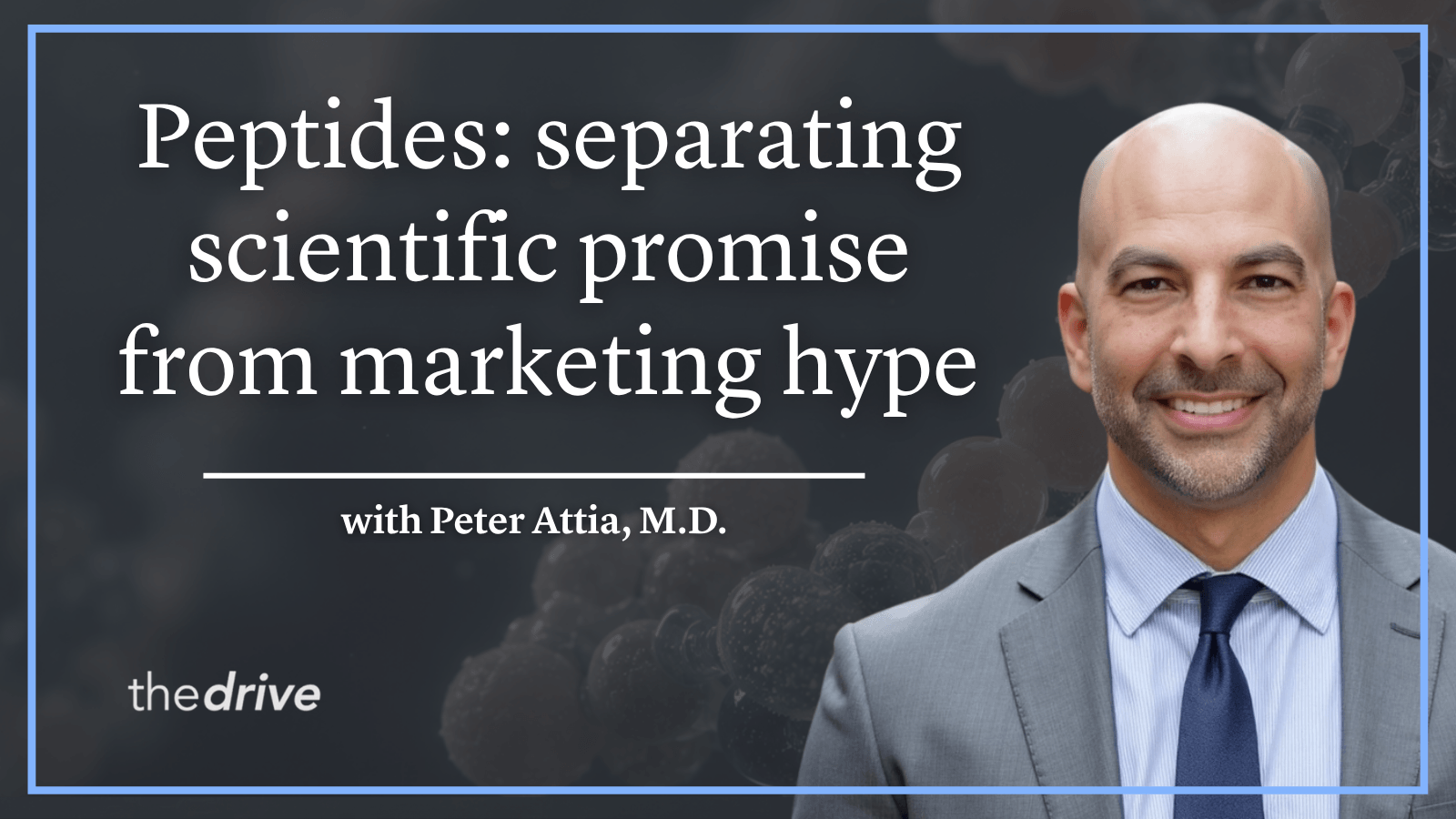
Understanding Peptides: Scientific Potential vs. Marketing Hype

Edited by Theron Pulsewood
Fitness & Biohacking · Updated September 4, 2026
In the latest episode of Peter Attia's podcast, the discussion centers around peptides and their potential in health optimization and longevity. Attia emphasizes the need for caution when considering peptides, as they can be powerful substances that require careful handling and understanding. He warns against the normalization of casual use of these compounds, which could lead to unintended consequences.
Share this story
Why it matters
- ✓Peptides may offer significant benefits for health optimization, but their use should be approached with caution to avoid misuse.
- ✓Understanding the scientific basis of peptides can help longevity enthusiasts make informed decisions about their health regimens.
- ✓The distinction between genuine scientific promise and marketing hype is crucial for those looking to enhance their longevity safely.
Understanding Peptides: Scientific Potential vs. Marketing Hype
Peptides have emerged as a topic of great interest among health optimizers and biohackers, often touted for their potential benefits in promoting longevity and enhancing overall health. However, as with many emerging health trends, there is a significant amount of marketing hype that can cloud the scientific understanding of these compounds. In a recent episode of his podcast, Dr. Peter Attia delves into the complexities surrounding peptides, emphasizing the need for a balanced perspective that separates genuine scientific promise from exaggerated claims.
What Are Peptides?
Peptides are short chains of amino acids, which are the building blocks of proteins. They play a crucial role in various biological functions, including hormone regulation, immune response, and cellular communication. Due to their diverse roles in the body, peptides have garnered attention for their potential therapeutic applications, particularly in the fields of aging, weight management, and muscle growth.
The Scientific Promise of Peptides
Dr. Attia highlights that peptides can indeed be powerful tools in health optimization. Certain peptides have shown promise in clinical studies for various applications, such as:
- Muscle Growth: Some peptides are known to stimulate growth hormone release, which can aid in muscle development and recovery.
- Fat Loss: Others may help in fat metabolism, potentially assisting individuals in achieving their weight loss goals.
- Anti-Aging: Certain peptides are being researched for their potential to improve skin elasticity and reduce the signs of aging.
While these applications are backed by scientific research, it is essential to approach them with a critical eye. The effectiveness of peptides can vary significantly based on individual health conditions, dosages, and the specific peptide used.
The Risks of Misuse
Despite their potential benefits, Dr. Attia warns against the casual use of peptides. He asserts, "We can't normalize treating real drugs carelessly." This statement underscores the importance of understanding the implications of using peptides without proper guidance or medical oversight.
The risks associated with peptide use can include:
- Unregulated Products: Many peptides available on the market are not regulated, leading to concerns about purity, dosage, and potential contaminants.
- Side Effects: Like any substance that affects biological processes, peptides can have side effects, particularly if used improperly or without medical supervision.
- Misleading Marketing: The marketing of peptides often exaggerates their benefits, leading consumers to believe they are a panacea for health issues without sufficient evidence.
Making Informed Decisions
For longevity enthusiasts and health optimizers, the key takeaway from Dr. Attia's discussion is the importance of informed decision-making. Here are some steps to consider:
- Research: Before considering any peptide, it is crucial to conduct thorough research. Understand the specific peptide, its mechanisms of action, and the scientific evidence supporting its use.
- Consult Healthcare Professionals: Engaging with healthcare providers who are knowledgeable about peptides can provide valuable insights and help mitigate risks.
- Be Skeptical of Claims: Approach marketing claims with skepticism. If something sounds too good to be true, it often is. Look for peer-reviewed studies and clinical evidence rather than relying solely on testimonials or advertisements.
Conclusion
Peptides hold significant potential for health optimization and longevity, but they are not without risks. Dr. Peter Attia's insights serve as a reminder that while the scientific promise of peptides is real, it is essential to navigate this landscape carefully. By prioritizing informed decision-making and maintaining a critical perspective, individuals can better harness the benefits of peptides while minimizing potential pitfalls. As the field of peptide research continues to evolve, staying educated and cautious will be key for those seeking to enhance their health and longevity.
Sources
Newsletter
Your weekly longevity signal. No spam.
Comments
Log in with
Loading comments…
More in Biohacking

New Device Aims to Alleviate Menopause Symptoms Through Sexual Stimulation
Lovehoney Group has launched MenoPulse, a device designed to help alleviate menopause symptoms…
3d ago
Function and Google Partner to Integrate Health Data and Wearable Signals
Function and Google Health have announced a partnership aimed at integrating Function's lab testing…
5d ago
Restore and Niagen Bioscience Launch Longevity Month to Promote Healthspan
Restore Hyper Wellness and Niagen Bioscience have announced a collaborative initiative to declare…
6d ago
NUS Academy Launches Masterclass to Integrate Longevity Science into Business Strategy
The National University of Singapore (NUS) Academy for Healthy Longevity is set to host a three-day…
Oct 7