Exploring Mental Health: The Role of Hormones and Psychedelics in Psychiatry

Edited by Mira Quellan
Nutrition & Mindset · Updated September 10, 2026
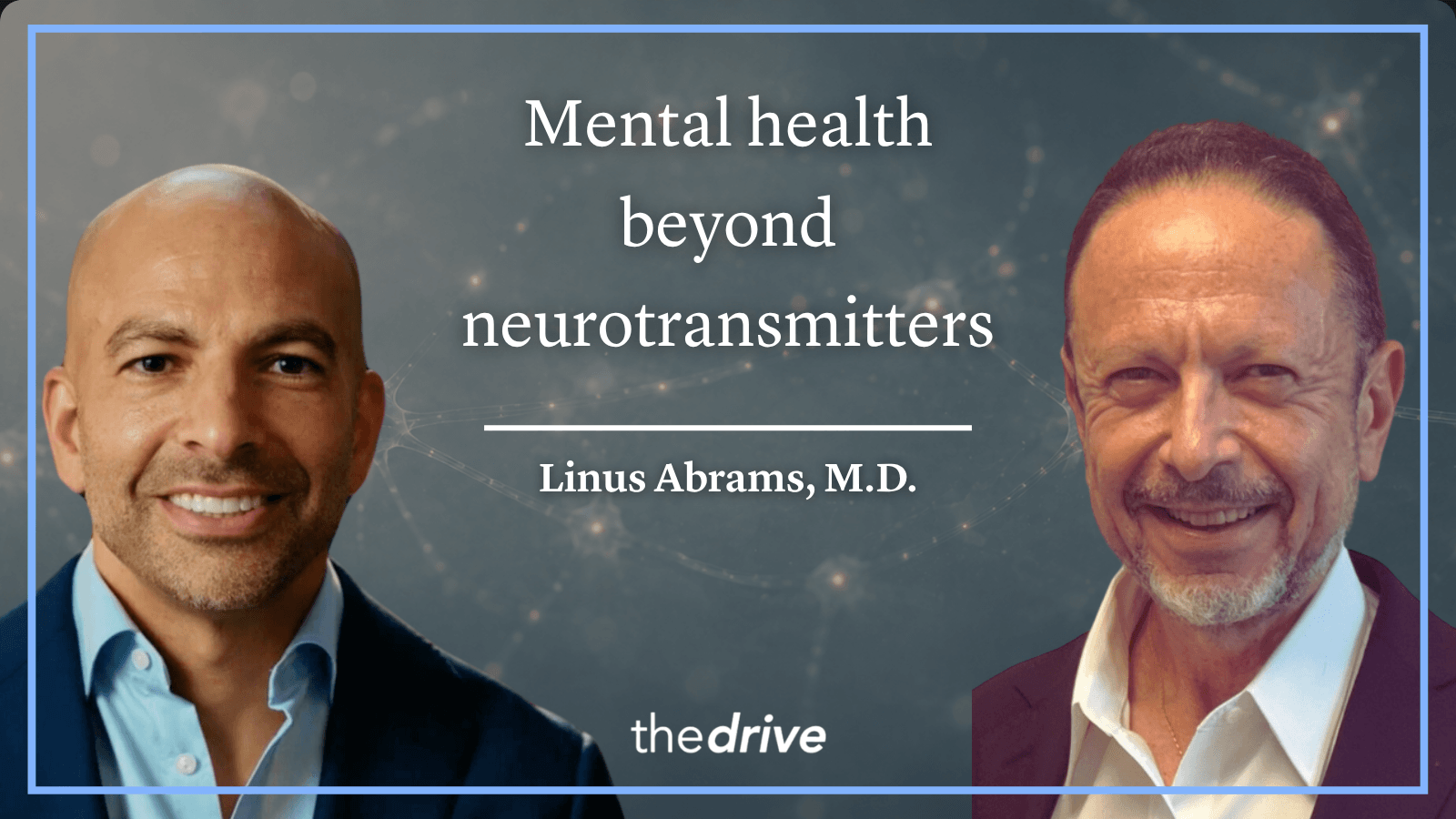
In a recent discussion, Dr. Linus Abrams emphasizes the limitations of traditional psychiatric approaches that focus primarily on symptom reduction rather than restoring a full human experience. He advocates for a broader understanding of mental health that includes the influence of hormones and the potential of psychedelic therapies. This perspective challenges the current paradigms in psychiatry and suggests new avenues for treatment.
Share this story
Why it matters
- ✓Understanding the hormonal influences on mental health can lead to more comprehensive treatment strategies for those pursuing longevity.
- ✓Exploring psychedelic therapies may offer new hope for individuals struggling with mental health issues, potentially improving overall well-being.
- ✓A holistic approach to mental health that goes beyond symptom management aligns with the goals of health optimization and longevity.
Exploring Mental Health: The Role of Hormones and Psychedelics in Psychiatry
Introduction
In the evolving landscape of mental health treatment, Dr. Linus Abrams presents a compelling argument that challenges conventional psychiatric practices. In his recent discussion on Peter Attia's podcast, he highlights the need for a paradigm shift in how we approach mental health, particularly in understanding the roles of hormones and the potential of psychedelic therapies. This article delves into the key insights from Dr. Abrams' talk, exploring their implications for individuals interested in longevity and health optimization.
The Limitations of Traditional Psychiatry
Dr. Abrams critiques the traditional focus of psychiatry, which often prioritizes symptom reduction over the restoration of a fulfilling human experience. He notes that while alleviating symptoms is crucial, it does not address the underlying issues that contribute to mental health disorders. This approach can leave individuals feeling incomplete, as it fails to facilitate a deeper understanding of what it means to live a meaningful life.
The emphasis on symptom management can lead to a cycle where patients are treated for their symptoms but do not achieve a holistic sense of well-being. Dr. Abrams argues that this is particularly relevant for those pursuing longevity and optimal health, as a fulfilling life experience is integral to overall wellness.
The Role of Hormones in Mental Health
One of the key points raised by Dr. Abrams is the significant impact hormones have on mental health. Hormonal imbalances can profoundly affect mood, cognition, and overall emotional well-being. For instance, fluctuations in hormones such as cortisol, estrogen, and testosterone can contribute to conditions like depression and anxiety.
Understanding these hormonal influences allows for a more nuanced approach to treatment. Instead of solely relying on medications that target neurotransmitters, mental health professionals can incorporate strategies that address hormonal balance. This could involve lifestyle changes, nutritional interventions, or hormone replacement therapies, all of which align with the principles of health optimization and longevity.
The Future of Psychedelic Therapies
Dr. Abrams also discusses the emerging field of psychedelic therapies, which have shown promise in treating various mental health conditions. Psychedelics, such as psilocybin and MDMA, are being researched for their potential to facilitate profound psychological healing and personal growth. Unlike traditional medications, which often focus on symptom suppression, psychedelics may help individuals confront and process underlying emotional traumas, leading to transformative experiences.
The potential of psychedelics in mental health treatment is particularly relevant for those seeking to enhance their quality of life and longevity. By addressing the root causes of mental health issues, these therapies could contribute to a more fulfilling and enriched life experience.
Implications for Longevity Enthusiasts
For individuals dedicated to longevity and health optimization, the insights shared by Dr. Abrams underscore the importance of a holistic approach to mental health. Here are some key implications:
-
Comprehensive Treatment Strategies: By considering hormonal influences on mental health, individuals can pursue more effective treatment options that go beyond symptom management. This can lead to improved emotional well-being and overall health.
-
Exploration of Psychedelics: As research into psychedelic therapies continues to grow, individuals may find new avenues for healing and personal development. Engaging with these therapies could enhance mental resilience and contribute to a more meaningful life.
-
Holistic Well-Being: Emphasizing the restoration of a full human experience aligns with the goals of longevity enthusiasts. A fulfilling life experience is not only about physical health but also encompasses emotional and psychological well-being.
Conclusion
Dr. Linus Abrams' insights into the limitations of traditional psychiatry and the potential of hormonal and psychedelic interventions offer valuable perspectives for those interested in mental health and longevity. By embracing a more comprehensive understanding of mental health, individuals can pursue strategies that promote not only symptom relief but also a richer, more fulfilling life experience. As the field of psychiatry continues to evolve, these discussions will be crucial in shaping the future of mental health treatment and its role in health optimization.
Sources
Newsletter
Your weekly longevity signal. No spam.
Comments
Log in with
Loading comments…
More in Mindset

Telehealth Service Combines Menopause Care and Mental Health Support
Better U and Evernow have launched a nationwide telehealth service that connects menopause…
4d ago

Peter Attia Reflects on Evolving Perspectives on Health Strategies
In the latest AMA session, Peter Attia discusses how his views on various health optimization…
Oct 12
Understanding Headaches: Insights from Dr. Brian Grosberg
Dr. Brian Grosberg discusses the symptoms, causes, prevention, and treatment of migraines, cluster…
Sep 26
Taiwan Reframes Aging as an Economic Asset
Taiwan has officially become a super-aged society, with one in five citizens aged 65 or older. At…
Sep 26